
Temperature Governance by Lane
Equipment selection and monitoring requirements are aligned to product profile, with documented temperature handling expectations from pickup through delivery.
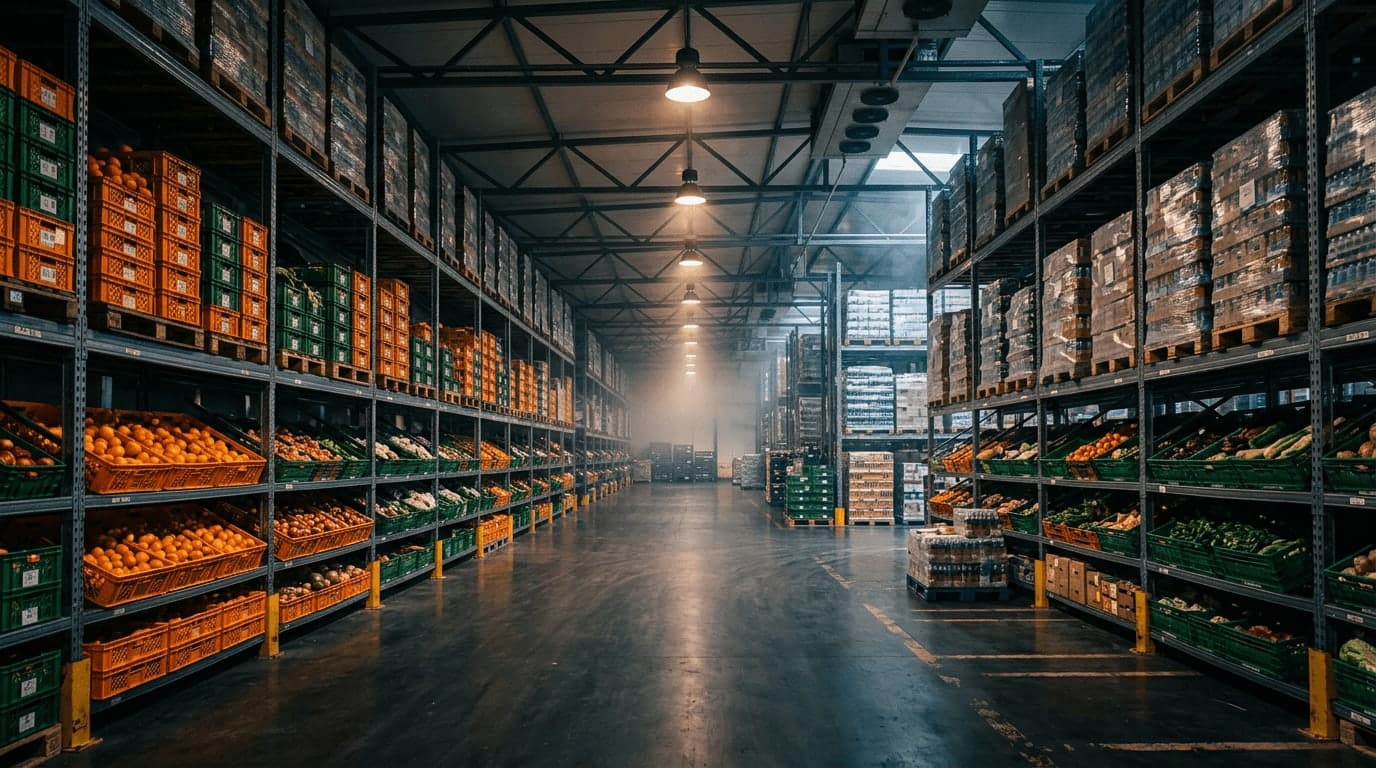
Food & Beverage Logistics
Freshness integrity, protected.
From temperature-controlled replenishment and retail-ready food freight to freshness-sensitive cross-border lanes across North America, we manage food and beverage logistics with temperature discipline, transit-time control, and compliance-ready records that protect product quality in motion.
Industry Demands
Food and beverage freight is governed by three non-negotiables: temperature control, transit-time discipline, and documentation quality. When one fails, product integrity and brand trust are exposed.
Equipment selection and monitoring requirements are aligned to product profile, with documented temperature handling expectations from pickup through delivery.
Appointment precision and transit execution are managed to reduce time-at-risk and protect freshness windows at receiving facilities.
Shipment documents, temperature records, and exception logs are maintained in a traceable format that supports internal QA and customer audit requirements.
Adjust temperature and transit duration to evaluate freshness decay and intervention urgency.
4 days
Safe band: 1 to 4°C
In-band temperature slows decay; time and temperature deviation compound quality risk.
Temperature governance. Time control. Compliance-ready records.
How We Support
Temperature-governed execution, transit-time control, and documentation discipline — the controls that keep cold-chain freight protected.
Lane plans are built around product sensitivity, transit limits, and receiving requirements before dispatch begins.
Loads move with specification-matched equipment and monitored handling from pickup through final handoff.
Status and document trails are maintained in a traceable format that supports QA and compliance workflows.
If disruptions occur, recovery options are executed to protect freshness windows and receiving readiness.
Execution built for temperature discipline, freshness protection, and traceable control.
Cold-chain
Thermal posture
Freshness-safe
Transit control
Traceable
QA visibility
24 / 7
Ops coverage
The SSP Standard
Food and beverage teams compare partners on cold-chain exposure controls, compliance rigor, and visibility during freshness-sensitive windows.
Insurance Coverage
Regulatory Compliance
Shipment Visibility
Typical market: Coverage checks broad — rarely tied to thermal or shelf-life exposure.
SSP: Coverage validation is tied to product sensitivity and route risk before movement starts.
Typical market: Compliance controls are frequently treated as periodic documentation tasks.
SSP: Compliance checkpoints are enforced in daily cold-chain execution and exception closure.
Typical market: Status updates may not arrive in time for freshness-window intervention.
SSP: Milestone and deviation reporting is structured for immediate QA and operations response.
QA-supporting record samples are available during onboarding and operating-model alignment.
Ready to move your food & beverage freight?
Talk to our team about your temperature requirements and lanes. We'll outline how we deliver precision and documentation.
We review product sensitivity, transit limits, and compliance expectations by lane.
We establish temperature handling, documentation cadence, and escalation protocols.
Operations begin with active monitoring and structured quality-risk reporting.
Ready to move your food & beverage freight?