
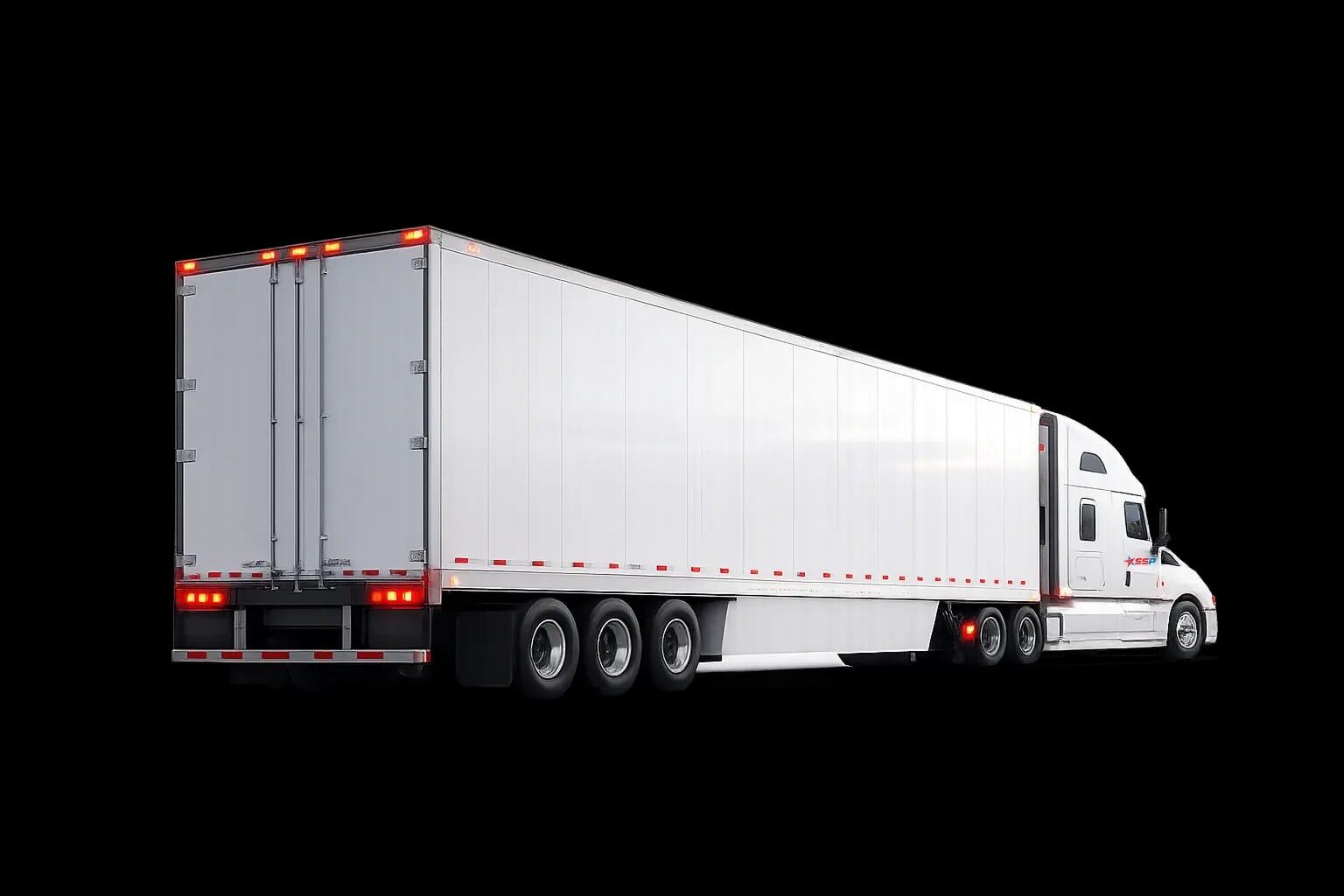
Expedited
Deadline-driven freight where transit compression, recovery windows, or production-line timing cannot absorb standard network delays. Team drivers, dedicated equipment, and active milestone management.
Specialized & Critical Freight
Deadline compression, thermal integrity, hazmat compliance, and sensitive cargo handling require tighter intake, active monitoring, and faster escalation than standard freight execution provides. We structure these moves around the constraint that carries the most risk.
Each path addresses a specific constraint — time, temperature, regulation, or handling sensitivity. The service model, monitoring discipline, and escalation structure are shaped by whichever condition governs the shipment.
Deadline-driven freight where transit compression, recovery windows, or production-line timing cannot absorb standard network delays. Team drivers, dedicated equipment, and active milestone management.
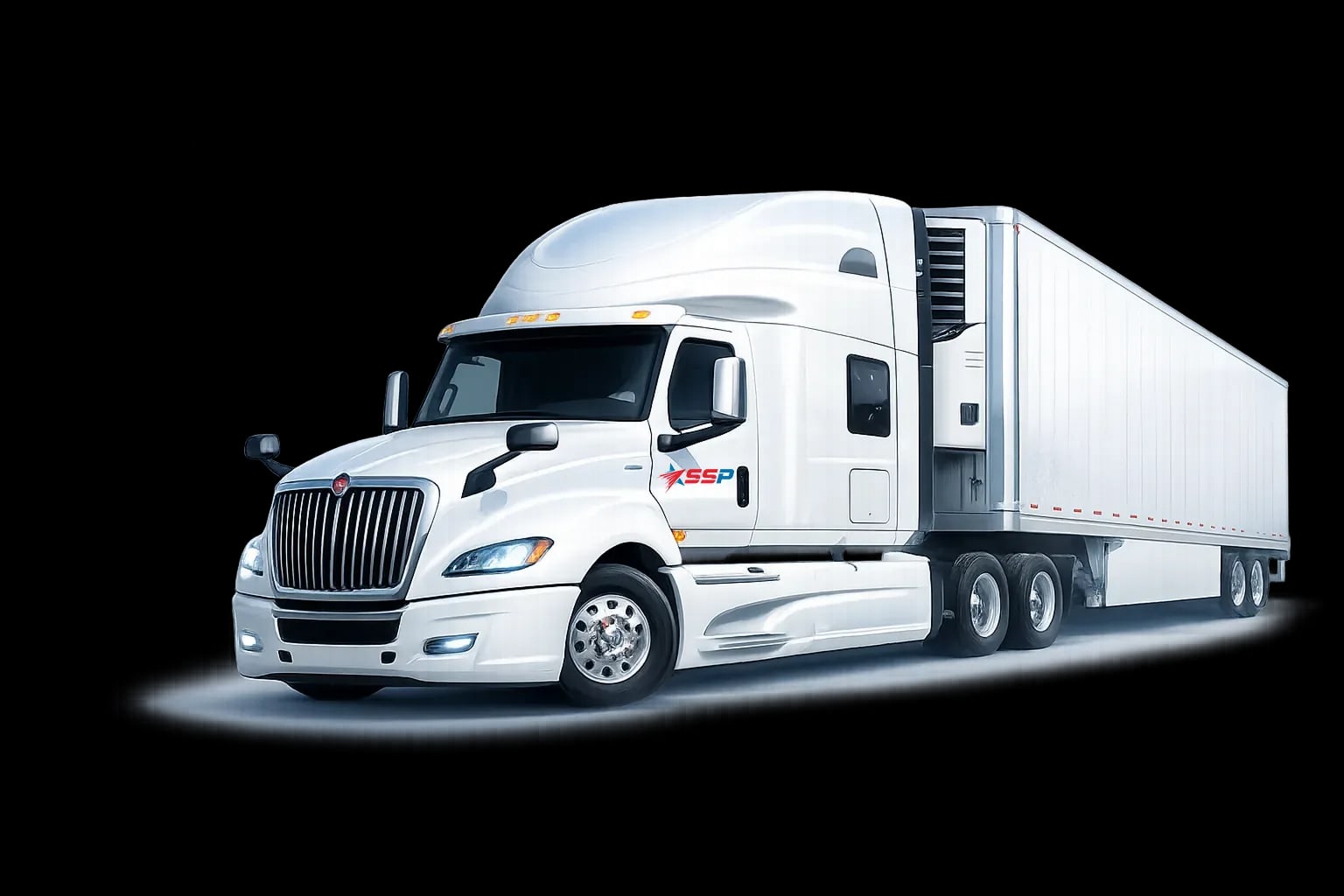
Reefer and climate-controlled shipments where setpoint discipline, continuous monitoring, and chain-of-custody documentation protect product integrity from pickup through delivery.
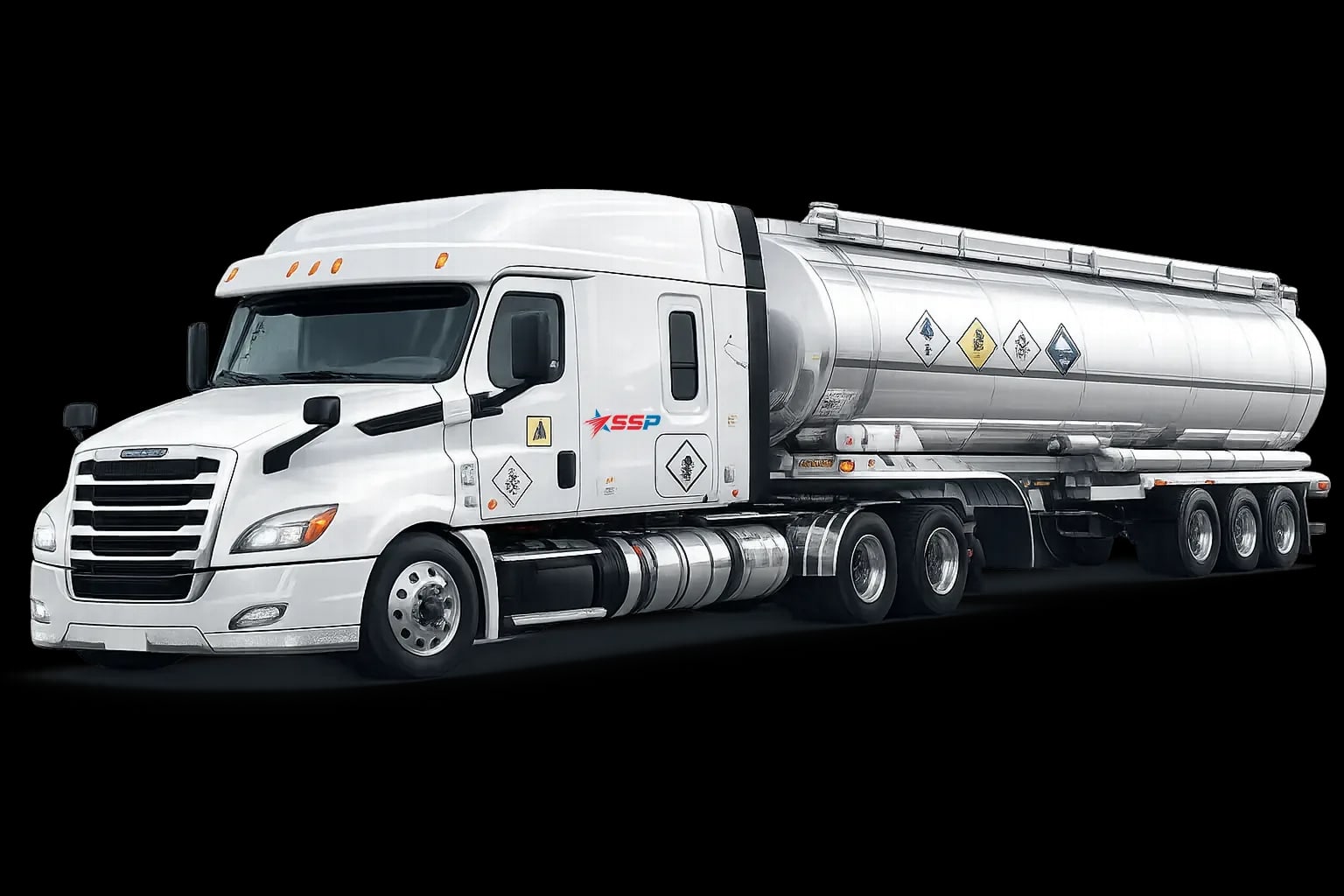
DOT and TDG-regulated freight where commodity classification, compliant documentation, qualified carriers, and proper placarding must be confirmed before the shipment is released.
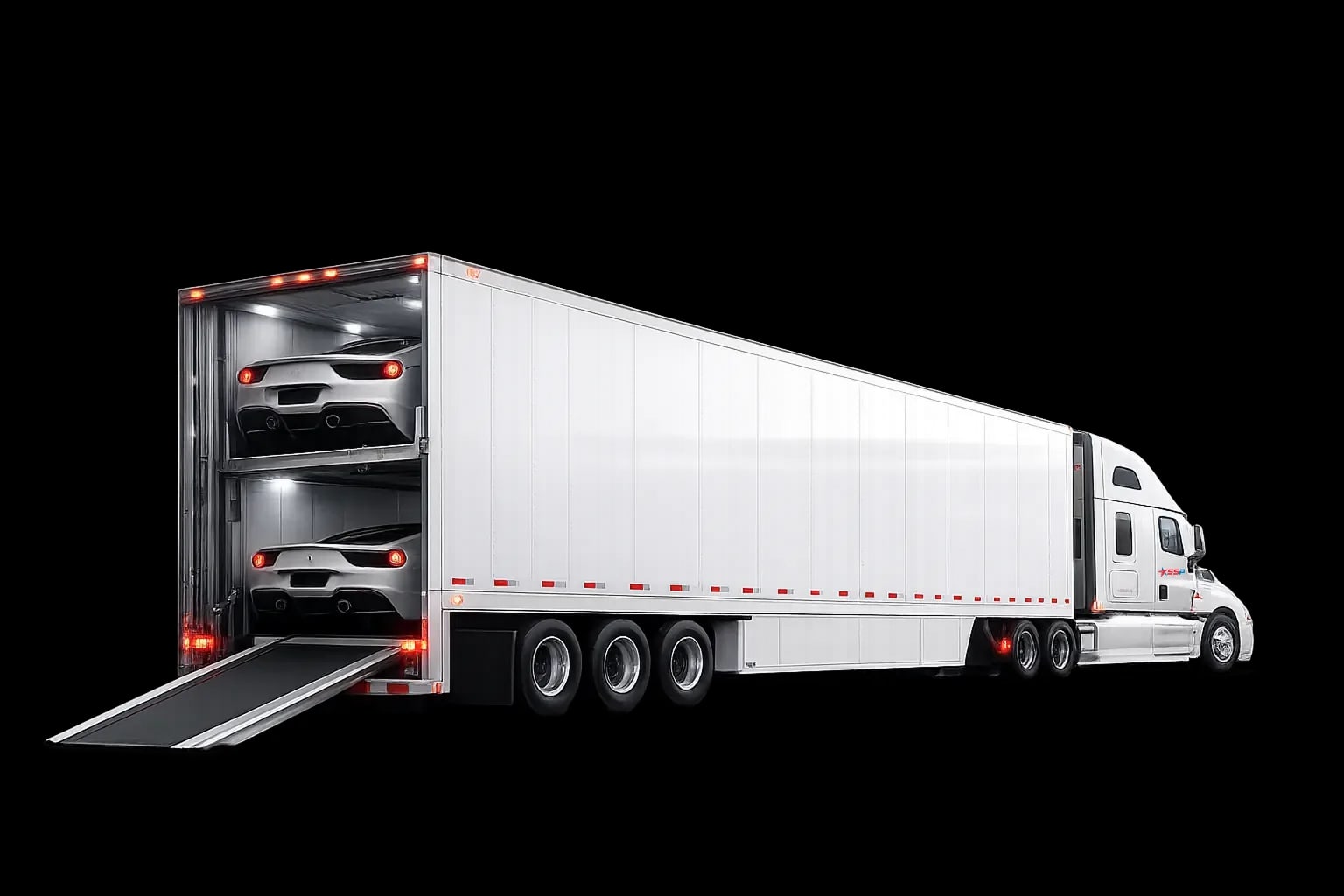
Vehicle and high-value equipment transport requiring controlled loading, premium chain of custody, and handling protocols that standard truckload cannot provide.
This family applies when urgency, product condition, regulatory exposure, or handling sensitivity must shape the operating plan before mode or equipment is finalized. If the shipment is defined by trailer type, border compliance, or recurring program structure, a different family is the better entry point.
Start here when time pressure, temperature requirements, hazmat classification, or handling sensitivity should govern tender, milestones, and control — not be added after truckload or LTL is assumed.
If the decision is still full trailer versus consolidation and no specialized constraint has surfaced, qualify the shipment in Core Freight Modes first and route here only if conditions require it.
When recurring volume, facility coordination, SLA governance, or multi-site accountability is the real need, Managed Logistics provides the operating framework this family does not.
When customs readiness, broker coordination, and border-zone handoffs carry more execution risk than cargo condition, Cross-Border should lead and specialized controls should layer in where needed.
Start here when time pressure, temperature requirements, hazmat classification, or handling sensitivity should govern tender, milestones, and control — not be added after truckload or LTL is assumed.
If the decision is still full trailer versus consolidation and no specialized constraint has surfaced, qualify the shipment in Core Freight Modes first and route here only if conditions require it.
When recurring volume, facility coordination, SLA governance, or multi-site accountability is the real need, Managed Logistics provides the operating framework this family does not.
When customs readiness, broker coordination, and border-zone handoffs carry more execution risk than cargo condition, Cross-Border should lead and specialized controls should layer in where needed.
Start the Conversation
Share the shipment profile, lane, timing requirement, and what happens if execution fails. We will align the move to the specialized path that protects timing, product integrity, or compliance from intake through delivery.
Start the Conversation