
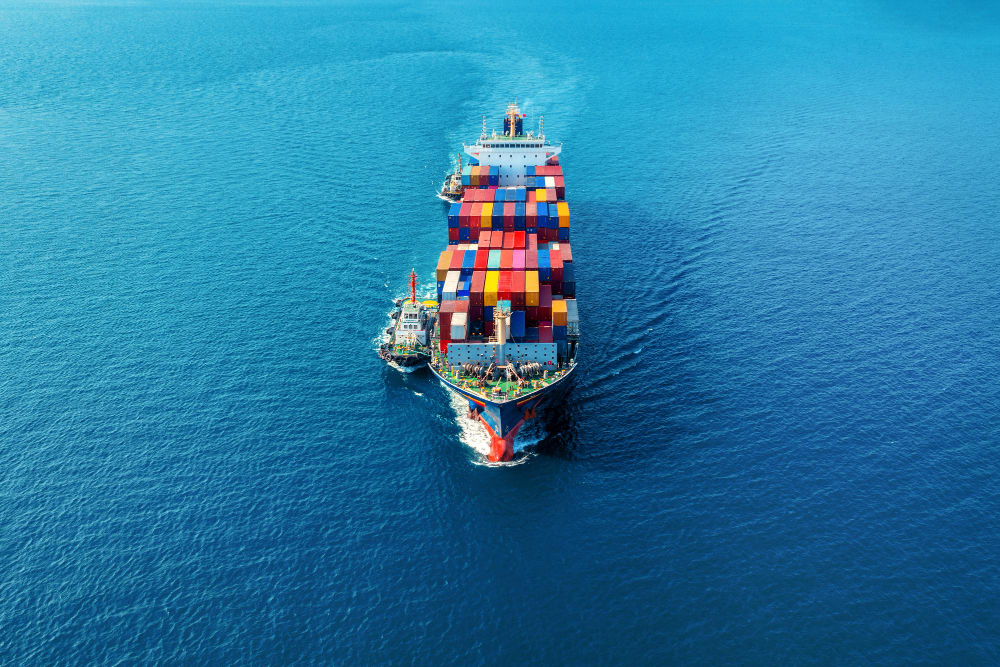
Learn the seven key ocean freight cost factors Canadian importers should understand, including container type, routes, port fees, fuel surcharges, cargo volume, customs, and seasonality.
For Canadian importers, ocean freight is often the most cost-effective way to move large or bulk shipments internationally. However, the final shipping cost is never just a single fixed rate. It is made up of several layers influenced by global trade conditions, port operations, cargo type, and logistics decisions.
Many businesses are surprised when the final invoice differs from the initial quote simply because they do not fully understand what drives these costs.
To help importers plan better and avoid unexpected charges, it is important to break down the key factors that directly impact ocean freight pricing in Canada. These factors explain why shipping costs fluctuate and how smarter decisions can improve overall supply chain efficiency.
1. Container Size and Type
The type and size of container used plays a major role in determining shipping cost. Standard options include Full Container Load (FCL) and Less than Container Load (LCL). FCL is usually more cost efficient for larger shipments, while LCL is charged based on shared space, which can increase per unit cost.
Common cost considerations include:
- 20-foot and 40-foot containers affecting base pricing
- LCL shipments being charged per cubic meter
- Special containers like refrigerated units costing more
- Larger volume shipments reducing cost per unit
Choosing the right container type can significantly impact overall freight cost efficiency.
2. Shipping Route and Distance
The distance between origin and destination ports directly affects fuel usage, transit time, and carrier availability. Popular trade routes tend to be more cost efficient due to higher shipping frequency, while less common routes can increase rates.
Route-related cost factors include:
- Longer routes increasing fuel and transit costs
- High-demand lanes offering better pricing
- Remote destinations adding extra surcharges
- Route disruptions increasing overall expenses
Shipping route selection directly influences pricing and transit efficiency.
3. Port Charges and Terminal Fees
Every shipment passing through ports in Canada or overseas is subject to handling and terminal charges. These fees cover loading, unloading, storage, and port services, and they vary depending on the port location and congestion levels.
Port-related fees may include:
- Terminal handling charges at origin and destination
- Storage fees if containers are delayed
- Additional costs caused by port congestion
- Different pricing structures across different ports
Port-related charges often form a significant part of total freight cost.
4. Fuel Surcharges and Market Fluctuations
Ocean freight rates are highly sensitive to global fuel price changes. Carriers adjust surcharges based on fuel costs, demand levels, and seasonal shipping trends. This makes pricing less predictable over time.
Fuel and market factors include:
- Fuel prices directly affecting carrier surcharges
- Seasonal demand increasing rates during peak periods
- Global events causing sudden price shifts
- Rates changing frequently based on market conditions
Fuel and market volatility make ocean freight pricing dynamic.
5. Cargo Weight and Volume
Freight cost is calculated based on weight and volume, often whichever is higher. Heavy or bulky shipments require more space and handling, which increases overall shipping charges.
Cargo-related pricing factors include:
- Weight and volume determining chargeable cost
- Oversized cargo requiring special handling
- Light but bulky shipments still costing more space
- Efficient packaging reducing shipping expenses
Optimizing cargo size and packaging helps control freight costs.
6. Customs Clearance and Documentation
Every shipment entering Canada must go through customs clearance. The complexity of documentation, product classification, and regulatory requirements can impact overall cost and processing time.
Documentation and customs factors include:
- Customs duties and import taxes varying by product
- Incorrect documentation causing delays and penalties
- Regulated goods requiring additional approvals
- Brokerage fees being part of total landed cost
Proper documentation ensures smoother and more cost-efficient imports. For businesses managing international shipping paperwork, understanding cross-border documentation requirements can help reduce avoidable delays.
7. Seasonal Demand and Carrier Availability
Ocean freight shipping pricing changes throughout the year based on demand cycles. Peak shipping seasons, holidays, and global supply chain pressures can reduce container availability and increase rates.
Seasonal cost factors include:
- Peak seasons increasing shipping demand and cost
- Limited container availability raising prices
- Off-peak periods offering better rates
- Carrier scheduling affecting transit time and pricing
Timing shipments strategically can reduce overall freight expenses.
How to Reduce Ocean Freight Costs for Canadian Importers
Reducing ocean freight costs is a major priority for Canadian importers who want to stay competitive in global trade. While shipping rates are influenced by many external factors, there are still practical strategies businesses can use to control expenses and improve efficiency.
By making smarter decisions in planning, packaging, and logistics management, importers can significantly reduce unnecessary charges and improve overall supply chain performance.
Practical Ways to Reduce Costs
Canadian importers can reduce ocean freight costs by:
- Choosing Full Container Load instead of Less than Container Load when possible
- Optimizing packaging to reduce wasted space and chargeable volume
- Planning shipments during off-peak seasons to avoid high-demand pricing
- Consolidating multiple shipments into one container when feasible
- Working with experienced logistics partners to avoid documentation errors
- Comparing carrier options to find more cost-effective routes and services
- Ensuring accurate customs paperwork to prevent delays and penalties
A proactive approach to planning and logistics can help Canadian importers reduce ocean freight costs and improve long-term efficiency.
Why SSP Group Is a Trusted Partner for Ocean Freight Solutions
SSP Group supports Canadian importers with reliable ocean freight solutions designed to simplify global shipping. With industry experience and strong logistics networks, the company helps businesses manage cost factors more effectively, improve shipment planning, and reduce unnecessary delays.
By offering structured freight management and professional guidance, SSP Group ensures smoother operations from origin to destination while helping importers stay competitive in international trade.
Final Thoughts
Ocean freight costs are influenced by multiple interconnected factors rather than a single fixed price. From container selection and shipping routes to fuel surcharges and customs requirements, every detail plays a role in determining the final cost for Canadian importers.
Understanding these factors helps businesses plan more accurately, reduce unexpected expenses, and improve supply chain efficiency.
For companies looking to streamline their logistics operations and optimize shipping performance, working with experienced freight professionals like SSP Group can help ensure better cost control, smoother operations, and more reliable global trade management.
FAQs
What is the main factor affecting ocean freight cost in Canada?
The biggest factor is usually container type and size, followed by fuel surcharges and shipping distance. These elements together determine the base freight rate and final cost.
Why do ocean freight prices keep changing?
Prices change due to fuel costs, global demand, seasonal shipping peaks, and port congestion. These factors make freight rates dynamic rather than fixed.
How can Canadian importers reduce ocean freight costs?
Importers can reduce costs by choosing the right container type, shipping during off-peak seasons, optimizing cargo volume, and ensuring accurate documentation.
Are port charges included in ocean freight quotes?
Not always. Some quotes exclude port handling and terminal fees, which are added later depending on the origin and destination ports.
Does shipping distance always increase cost?
Yes, longer distances usually increase fuel and transit costs, but popular trade routes may still offer competitive pricing due to higher shipping frequency.
How does customs clearance affect total shipping cost?
Customs clearance adds duties, taxes, and brokerage fees. Incorrect documentation can also lead to penalties or delays, increasing overall cost.
Is Less than Container Load more expensive than Full Container Load?
In most cases, LCL is more expensive per unit because you are paying for shared space and additional handling, whereas FCL offers better value for larger shipments.