
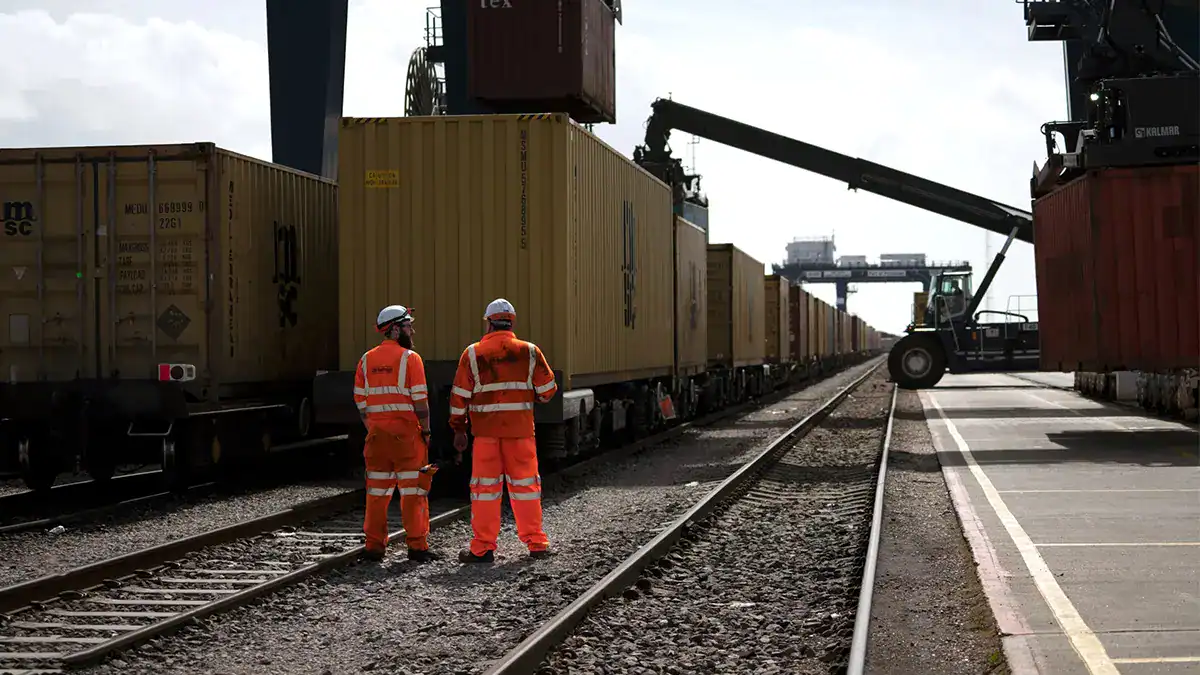
Learn how to choose the right railway freight forwarder by evaluating rail network coverage, cross-border expertise, tracking technology, customs support, pricing, and multimodal capabilities.
Choosing the right railway freight forwarder can significantly improve your supply chain efficiency, reduce shipping costs, and support smooth cross-border transportation. With global trade shifting toward eco-friendly and cost-effective modes of transport, rail freight logistics has become a top choice for businesses across manufacturing, retail, automotive, and industrial sectors.
This guide explains how to choose the best railway freight forwarder, what factors matter most, and how to ensure your logistics partner aligns with your long-term business goals.
What Is a Railway Freight Forwarder?
A railway freight forwarder is a logistics company that manages, plans, and coordinates the movement of goods through rail transport. They handle documentation, customs clearance, tracking, warehousing, multimodal connections, and delivery.
Choosing the right partner means your cargo travels safer, faster, and at a lower cost.
How to Choose the Right Railway Freight Forwarder
Below is a structured method businesses can follow when comparing freight forwarding partners.
1. Check Their Expertise in International Rail Freight
Choose a company that offers strong experience in cross-border rail freight, especially if your shipments move between major trade regions or within North America.
Key indicators of expertise include:
- Years of experience handling rail cargo
- Strong network of rail carriers
- Expert compliance team
- Track record with your industry
2. Evaluate Their Railway Network Coverage
Your forwarder should offer broad and reliable rail route coverage, including:
- Regional and domestic routes
- Cross-border corridors
- Access to major inland ports
- Connections to sea and air for multimodal shipping
A strong network supports faster transit and fewer delays.
3. Review Their Technology and Tracking Capabilities
Modern supply chains require real-time visibility. The best partners provide:
- Live cargo tracking
- AI-based route optimization
- Digital documents
- Automated updates
- GPS-enabled railcar monitoring
Look for forwarders who use modern logistics platforms to help reduce uncertainty and improve delivery performance.
4. Analyze Cost Transparency and Pricing Structure
A reliable forwarder provides clear rail freight pricing, including:
- Base rail charges
- Handling and terminal fees
- Customs documentation
- Last-mile delivery costs
- Fuel or seasonal surcharges
Avoid companies that offer unclear or fluctuating pricing.
5. Check Customs Clearance and Documentation Support
Rail freight involves significant customs and regulatory work. Your logistics partner should manage:
- Commercial invoices
- Packing lists
- Certificates of origin
- Rail consignment notes
- Border compliance
- Duties and tax calculations
A forwarder with in-house customs experts can save time and help prevent clearance delays. For international shipments, understanding documentation and cross-border freight requirements is especially important.
6. Evaluate Their Multimodal Capabilities
The best railway freight forwarders also offer:
- Rail + truck intermodal support
- Rail + sea freight options
- Rail + air freight options
Multimodal capabilities provide flexibility, faster delivery, and better cost management. Depending on shipment needs, businesses may combine rail with ocean freight, air freight, or truckload transportation.
7. Assess Customer Support and Communication
Strong communication is essential in logistics. Choose a company that provides:
- Dedicated account managers
- 24/7 customer support
- Quick issue resolution
- Proactive shipment updates
This helps operations run smoothly, even during high-volume periods.
8. Look at Their Industry Reputation and Reviews
Evaluate:
- Google reviews
- Industry awards
- Testimonials
- Case studies
- Long-term clients
- Partner rail networks
A reputable freight forwarder delivers consistent performance and reliability.
Why Choosing the Right Rail Freight Forwarder Matters
Selecting the right partner helps businesses:
- Lower freight costs
- Reduce transit delays
- Improve supply chain transparency
- Achieve reliable delivery schedules
- Streamline customs clearance
- Strengthen operational efficiency
- Reduce carbon footprint using greener transport
Benefits of Railway Freight for Businesses
Rail freight offers high value for industries that handle bulk or long-distance shipments.
Top benefits include:
- Lower cost than air freight
- Faster than sea freight
- High cargo capacity
- Environment-friendly transport
- Safe and secure movement
- Ideal for heavy and oversized goods
How Do You Choose the Best Railway Freight Forwarder?
You choose the best railway freight forwarder by checking their network coverage, international experience, technology and tracking systems, customs clearance expertise, multimodal options, and transparent pricing.
Look for companies with strong customer support and a proven track record of reliable, on-time delivery.
Common Industries That Benefit From Rail Freight
Rail freight can support a wide range of industries, including:
- Automotive
- Construction
- Manufacturing
- FMCG
- Electronics
- Retail and eCommerce
- Bulk materials
- Non-hazardous chemicals
Choosing the right railway freight forwarder is one of the smartest decisions a business can make to achieve smoother logistics, lower costs, and consistent delivery performance. When you evaluate a partner based on rail network strength, technology, customs expertise, multimodal options, and service reliability, you set your supply chain up for long-term success.
If you are looking for a logistics partner that delivers fast, reliable, and cost-efficient freight solutions, SSP Group is here to help. Our team supports documentation, multimodal connections, and dedicated logistics support for businesses of all sizes.
Ready to streamline your freight operations? Contact SSP Group today to discuss your shipment needs and get a customized logistics solution.
FAQs
Is rail freight cheaper than road or air?
Yes, rail is usually cheaper than road and much cheaper than air, especially for long-distance and bulk shipments.
How reliable is railway freight?
Rail is generally reliable because it runs on fixed schedules and is less affected by road traffic or weather delays.
Can railway freight be used for international trade?
Yes, railway freight can be used for international trade through cross-border corridors and connected multimodal freight networks.
What documents do I need for rail freight?
Common documents include a commercial invoice, packing list, certificate of origin, consignment note, customs forms, and regulatory permits.
What type of goods are ideal for rail transport?
Heavy, oversized, bulk, palletized goods, machinery, metals, chemicals, and FMCG products are commonly suited for rail transport.