
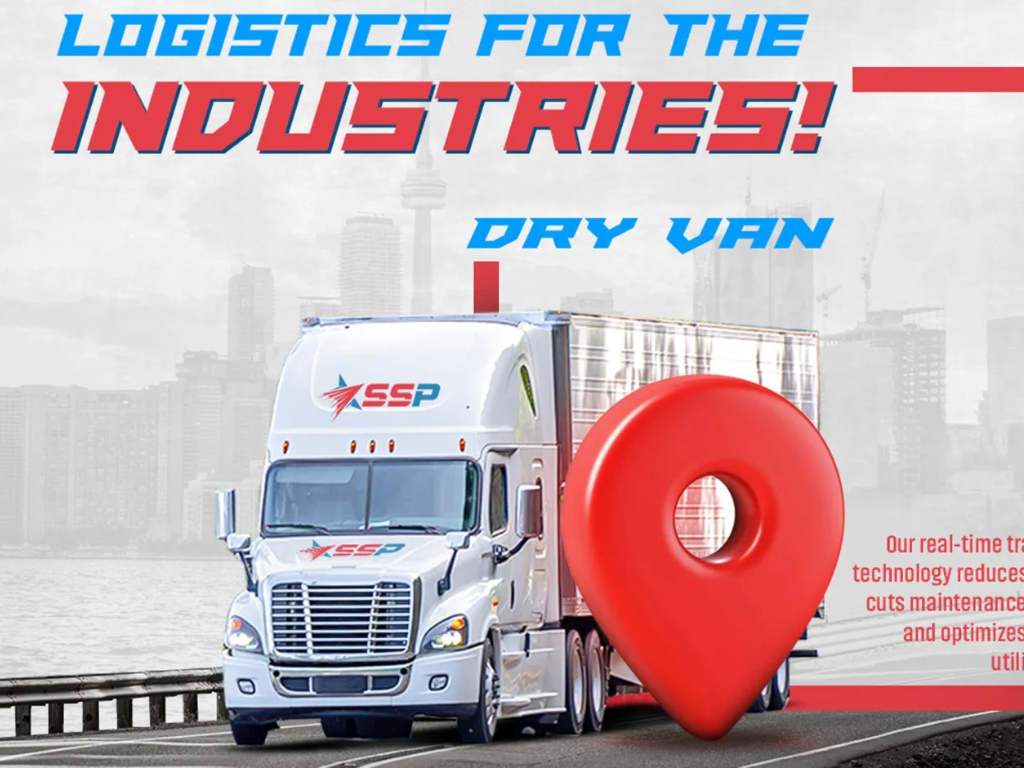
Learn how to load a dry van trailer safely and efficiently with preparation, space optimization, weight distribution, securement, documentation, tracking, and cargo handling best practices.
Efficient loading of dry van trailers is essential for safe and reliable freight transportation. Whether you are new to logistics or already experienced in shipping, understanding how to load a dry van trailer properly can help reduce damage, improve efficiency, and support smoother deliveries.
Dry vans are widely used for enclosed freight because they protect goods from weather, dust, road debris, and general exposure. However, safe transportation depends on more than the trailer itself. It also depends on proper preparation, weight distribution, cargo securement, documentation, and communication.
This guide explains practical steps and best practices for loading a dry van trailer safely and efficiently.
Understanding the Dry Van Trailer
A dry van trailer is an enclosed trailer used for goods that do not require refrigeration or temperature control. It is one of the most common trailer types in transportation because it works for many non-perishable freight categories.
Common dry van freight includes:
- Retail goods
- Packaged food and beverages
- Industrial materials
- Automotive parts
- Electronics
- Household goods
- Construction supplies
- Palletized products
For cargo that requires controlled temperature, temperature-controlled freight is usually a better fit.
Key Steps for Loading a Dry Van Trailer
Loading a dry van correctly helps protect cargo and improve transit safety.
1. Prepare Before Loading
Before loading any cargo, inspect the dry van trailer for damage, debris, moisture, odors, or anything that could affect the shipment.
Check:
- Trailer floor condition
- Walls and ceiling
- Door seals
- Interior cleanliness
- Signs of leaks or damage
- Securement points
- Previous load residue or debris
A clean and sound trailer helps protect freight from contamination, damage, or shifting.
2. Optimize Available Space
Maximizing space inside the trailer improves efficiency and can reduce transportation costs.
Use pallets, stacking patterns, and load planning to make the best use of vertical and horizontal space. Freight should be arranged tightly enough to reduce shifting, while still allowing safe handling and unloading.
Good space planning can help avoid wasted trailer capacity and reduce the need for extra trips.
3. Balance Weight Distribution
Weight distribution is one of the most important loading principles. Poor distribution can cause axle overload, trailer instability, unsafe handling, cargo damage, or compliance issues.
General best practices include:
- Place heavier freight on the floor, not on top of lighter goods.
- Keep weight balanced from side to side.
- Avoid concentrating too much weight at the nose or rear.
- Distribute freight evenly along the trailer where possible.
- Follow legal axle weight limits and carrier guidance.
Balanced loading improves safety and protects both cargo and equipment.
4. Secure the Load Properly
Cargo must be secured to prevent movement during transit.
Common dry van securement tools include:
- Load bars
- Straps
- Dunnage bags
- Blocking and bracing
- Anti-slip mats
- Edge protectors
- Pallet wrap
- Void fill materials
Even enclosed trailers need proper securement. Cargo can shift during braking, turning, bumps, or emergency maneuvers, so securing the load protects the freight and the people handling it.
5. Protect Fragile or Specialized Cargo
Some shipments need extra care. Fragile, high-value, sensitive, or unusually shaped goods should be protected with additional padding, bracing, packaging, or separation.
Consider:
- Cushioning fragile items
- Separating heavy freight from delicate cargo
- Using labels for special handling instructions
- Avoiding stacking when products are crush-sensitive
- Confirming whether cargo needs upright orientation
Special cargo should be planned before loading begins.
6. Maintain Documentation and Communication
Accurate documentation helps support compliance, transparency, and smooth delivery.
Important details may include:
- Shipment contents
- Weight and dimensions
- Pallet count
- Special handling requirements
- Seal numbers if used
- Pickup and delivery instructions
- Photos of loaded cargo when appropriate
Communication with drivers, dispatchers, warehouse staff, and receiving teams helps ensure everyone understands what is being moved and how it should be handled.
7. Use Tracking and Visibility Tools
Modern shipment tracking tools help logistics teams monitor freight while it is in transit.
Tracking and visibility can support:
- Better delivery planning
- Real-time updates
- Faster response to delays
- Customer communication
- Improved accountability
For urgent loads, expedited freight may also be useful when standard timelines are not enough.
8. Improve Inventory Readiness
Smart inventory management helps loading teams avoid delays. The right items should be staged, counted, labeled, and ready before the truck arrives.
This reduces loading time and helps prevent errors such as missing freight, incorrect pallets, or mismatched paperwork.
9. Follow Safety Standards
Safety should guide every dry van loading process.
Best practices include:
- Keeping loading areas clear
- Using proper dock plates and ramps
- Following forklift safety procedures
- Avoiding overloaded pallets
- Wearing proper PPE where required
- Keeping people clear of moving equipment
- Inspecting securement before departure
Safe loading protects workers, drivers, cargo, and equipment.
10. Train Loading Teams
Training helps warehouse and logistics teams load freight more consistently.
A trained team understands cargo handling, securement methods, weight distribution, documentation, trailer inspection, and safety procedures. This reduces mistakes and improves overall shipping performance.
Optimizing Cargo Handling for Efficiency and Safety
Efficient cargo handling is about more than putting goods into a trailer. It involves planning, equipment, process, and communication.
Logistics teams should assess cargo characteristics before loading, including weight, size, fragility, packaging type, and unloading requirements. They should also make sure the correct equipment is available, such as forklifts, pallet jacks, dock plates, ramps, straps, and load bars.
Technology can also help improve cargo handling through real-time tracking, warehouse systems, inventory tools, and digital documentation. Combined with proper training and safety practices, these tools help companies improve accuracy and reduce delays.
SSP Group’s Role in Dry Van Trucking
SSP Group supports businesses with dependable dry van trucking solutions for enclosed freight that needs safe, efficient transportation.
Our dry van services are designed for businesses that need reliable movement of non-perishable goods, palletized freight, retail products, industrial materials, and other standard shipments.
With attention to planning, communication, and customer needs, SSP helps businesses move dry van freight across domestic and cross-border lanes.
For larger dedicated shipments, truckload shipping may be the right fit. For smaller shipments, LTL freight can help reduce costs through shared trailer space.
Leveraging Expertise for Better Cargo Handling
Effective cargo handling requires experience and attention to detail.
SSP Group helps businesses plan freight movement by reviewing shipment requirements, equipment needs, loading considerations, timelines, and delivery expectations.
This support can help improve:
- Space utilization
- Cargo protection
- Routing efficiency
- Shipment visibility
- Delivery reliability
- Customer communication
By working with an experienced logistics provider, businesses can reduce avoidable issues and improve transportation performance.
The Importance of Strategic Partnerships in Logistics
Strong logistics partnerships can help businesses access better resources, broader coverage, and more efficient transportation planning.
A dependable logistics partner can support:
- Specialized equipment access
- Broader lane coverage
- Shipment planning
- Cost control
- Communication and visibility
- Problem-solving during disruptions
- Scalable freight support as business needs change
For many companies, outsourcing freight planning to an experienced provider helps simplify operations and improve reliability.
Compliance and Regulatory Awareness
Logistics companies must follow applicable transportation rules and safety standards. Compliance helps reduce risk, avoid delays, and protect the integrity of operations.
Important areas include:
- Safe loading and securement
- Legal weight limits
- Driver and equipment requirements
- Documentation accuracy
- Workplace safety
- Cross-border requirements when applicable
For freight moving between Canada, the United States, and Mexico, cross-border transportation support can help manage route planning and documentation needs.
Innovation in Dry Van Trailer Loading
Innovation continues to improve dry van operations. New tools and processes help logistics teams load, monitor, and deliver freight more efficiently.
Examples include:
- Digital inventory systems
- Real-time shipment tracking
- Route optimization
- Automated warehouse tools
- Load planning software
- Digital documentation
- Predictive maintenance systems
These innovations can improve speed, reduce errors, and give businesses better visibility into their freight.
Conclusion
Loading a dry van trailer properly requires planning, preparation, and attention to detail. From trailer inspection and space optimization to weight distribution, securement, documentation, and safety standards, every step matters.
By following best practices, logistics teams can protect cargo, reduce damage, improve efficiency, and support timely delivery.
Partnering with a reliable logistics provider like SSP Group can further improve dry van transportation by adding experience, communication, and dependable freight planning to the process.
FAQs
What is a dry van trailer?
A dry van trailer is an enclosed trailer used to transport non-perishable goods that do not require refrigeration or temperature control.
What is the best way to load a dry van trailer?
The best way is to inspect the trailer first, balance weight properly, maximize space, secure the load, protect fragile cargo, and document the shipment accurately.
Why is weight distribution important in a dry van?
Proper weight distribution improves trailer stability, helps avoid axle overload, reduces cargo shifting, and supports safer transportation.
What tools are used to secure cargo in a dry van?
Common tools include load bars, straps, dunnage bags, blocking and bracing, anti-slip mats, pallet wrap, and void fill materials.
Does SSP Group offer dry van trucking?
Yes. SSP Group supports dry van trucking for enclosed, non-perishable freight across domestic and cross-border lanes.