
Explore interesting trucking facts about driver work, flatbed securement, Canada-USA freight movement, driver pay, engine efficiency, safety rules, and truck stopping distance.
There are many assumptions and beliefs about the trucking industry and truck drivers. Some of those assumptions are incomplete or simply wrong.
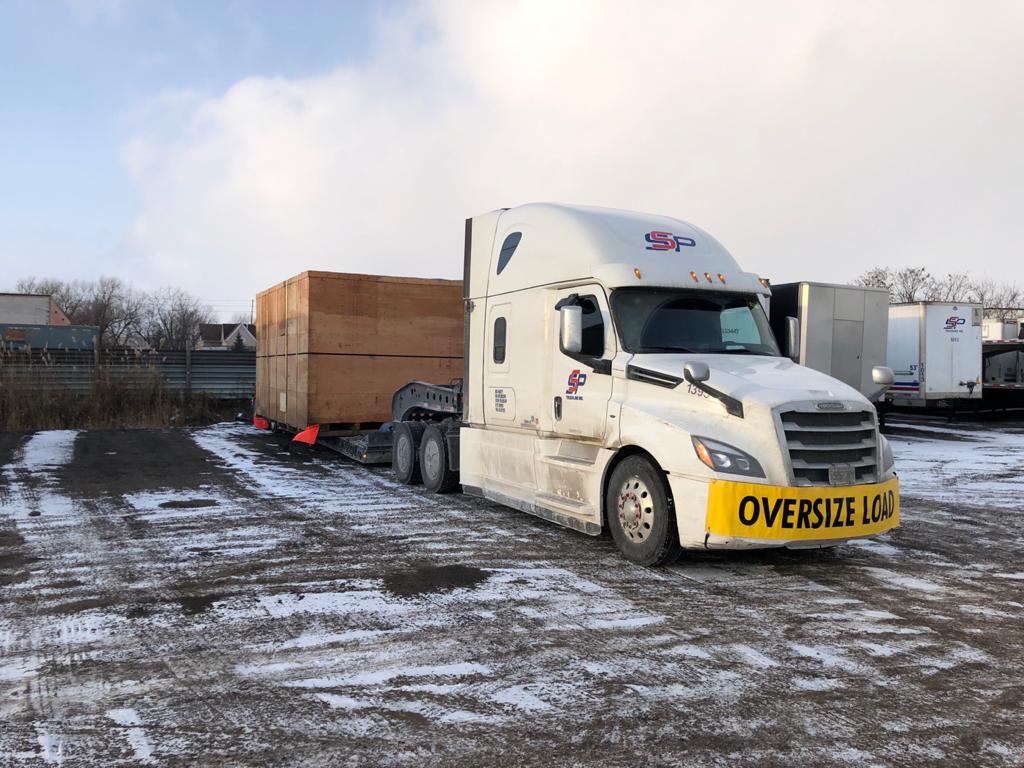
A common assumption is that truck drivers do no manual work. In reality, many drivers perform physically demanding tasks as part of their job. For example, flatbed trucking often requires drivers to tarp, secure, inspect, and manage loads before and during transportation.
The difficulty can vary from shipment to shipment. Some freight is simple to secure, while oversized, irregular, or weather-sensitive cargo can require much more effort and experience.
Trucking Is More Physical Than Many People Think
Truck driving is not only about sitting behind the wheel. Drivers often manage load checks, securement, tarping, paperwork, inspections, communication, and delivery coordination.
Flatbed drivers especially may need to:
- Secure cargo with straps, chains, binders, and edge protectors
- Apply and remove tarps
- Inspect cargo during transit
- Confirm weight distribution and load stability
- Coordinate with loading and unloading teams
- Follow safety procedures at job sites and terminals
This work requires skill, awareness, and physical effort.
Trucking Moves a Major Share of Canada-USA Commerce
Another important fact is that truck transportation plays a major role in trade between Canada and the United States.
Both countries depend heavily on trucking to move goods across the border, including manufacturing parts, food, retail products, industrial materials, construction supplies, and consumer goods.
For companies shipping across borders, dependable cross-border freight support is essential. Cross-border trucking helps connect suppliers, manufacturers, distributors, and customers across North America.
Drivers May Be Paid by the Mile or by the Hour
Truck driver pay can vary depending on the company, route, trailer type, and work involved.
Some drivers are paid by the mile, while others are paid by the hour. The pay structure may also change based on whether the driver is handling long-haul, local, flatbed, truckload, specialized, or other types of freight.
For example, truckload shipping and long-haul lanes may commonly use mileage-based pay, while local or specialized work may involve hourly pay or additional compensation for loading, tarping, waiting time, or special handling.
Modern Trucks Are More Efficient Than Older Trucks
Trucking equipment has improved significantly over time. Modern engines, emissions systems, fuel efficiency improvements, maintenance technology, and better fleet practices have helped reduce emissions compared with older generations of trucks.
This matters because trucking remains essential to the economy, and efficiency improvements help reduce environmental impact while keeping freight moving.
Better route planning, reduced empty miles, improved maintenance, and newer equipment all support more responsible freight transportation.
Safety Rules Help Reduce Driver Fatigue
Another important fact is that laws and regulations are in place to help prevent drivers from being overworked or too tired on the road.
Hours-of-service rules limit how long drivers can operate before taking required rest. These rules are designed to reduce fatigue-related risks and improve safety for drivers, freight, and the public.
Tools such as electronic logging devices can help drivers and carriers track driving time, rest periods, and compliance more accurately.
Trucks Need Much More Distance to Stop
Because trucks are larger and heavier than passenger vehicles, they need significantly more space to stop, especially at highway speeds.
Drivers sharing the road with commercial trucks should avoid cutting closely in front of them, braking suddenly, or lingering in blind spots. Safe spacing helps prevent dangerous situations and gives truck drivers enough room to react.
This is one of the most important facts for everyday drivers to understand.
Why These Facts Matter
Understanding trucking facts helps people better appreciate the work behind freight transportation.
Every shipment depends on drivers, dispatchers, mechanics, warehouse teams, compliance staff, and logistics coordinators working together. From flatbed securement to cross-border planning, each part of the process supports safe and reliable freight movement.
Trucking is not just about moving cargo. It is about keeping supply chains connected.
Conclusion
The trucking industry is more complex than many people realize. Drivers perform demanding work, trucks move a major share of North American commerce, pay structures vary, modern equipment is more efficient, safety rules help reduce fatigue, and trucks require more stopping distance than smaller vehicles.
By understanding these facts, businesses and road users can better appreciate the importance of safe, professional, and reliable trucking.
SSP Group supports freight movement across North America with practical logistics solutions, including flatbed, truckload, LTL, expedited, cross-border, and specialized transportation.
FAQs
Do truck drivers do manual work?
Yes. Many truck drivers perform manual tasks such as inspections, securement, tarping, paperwork, and coordination at pickup and delivery sites.
Why is flatbed trucking physically demanding?
Flatbed trucking can require drivers to secure cargo with chains or straps, apply tarps, inspect loads, and manage irregular or oversized freight safely.
How are truck drivers paid?
Truck drivers may be paid by the mile, by the hour, or through a combination of pay types depending on route, trailer type, company policy, and job requirements.
Why do trucks need more stopping distance?
Trucks are much heavier than passenger vehicles, so they require more distance to slow down and stop safely, especially at highway speeds.
Why are hours-of-service rules important?
Hours-of-service rules help reduce driver fatigue by limiting driving time and requiring rest periods, improving safety for drivers and the public.