
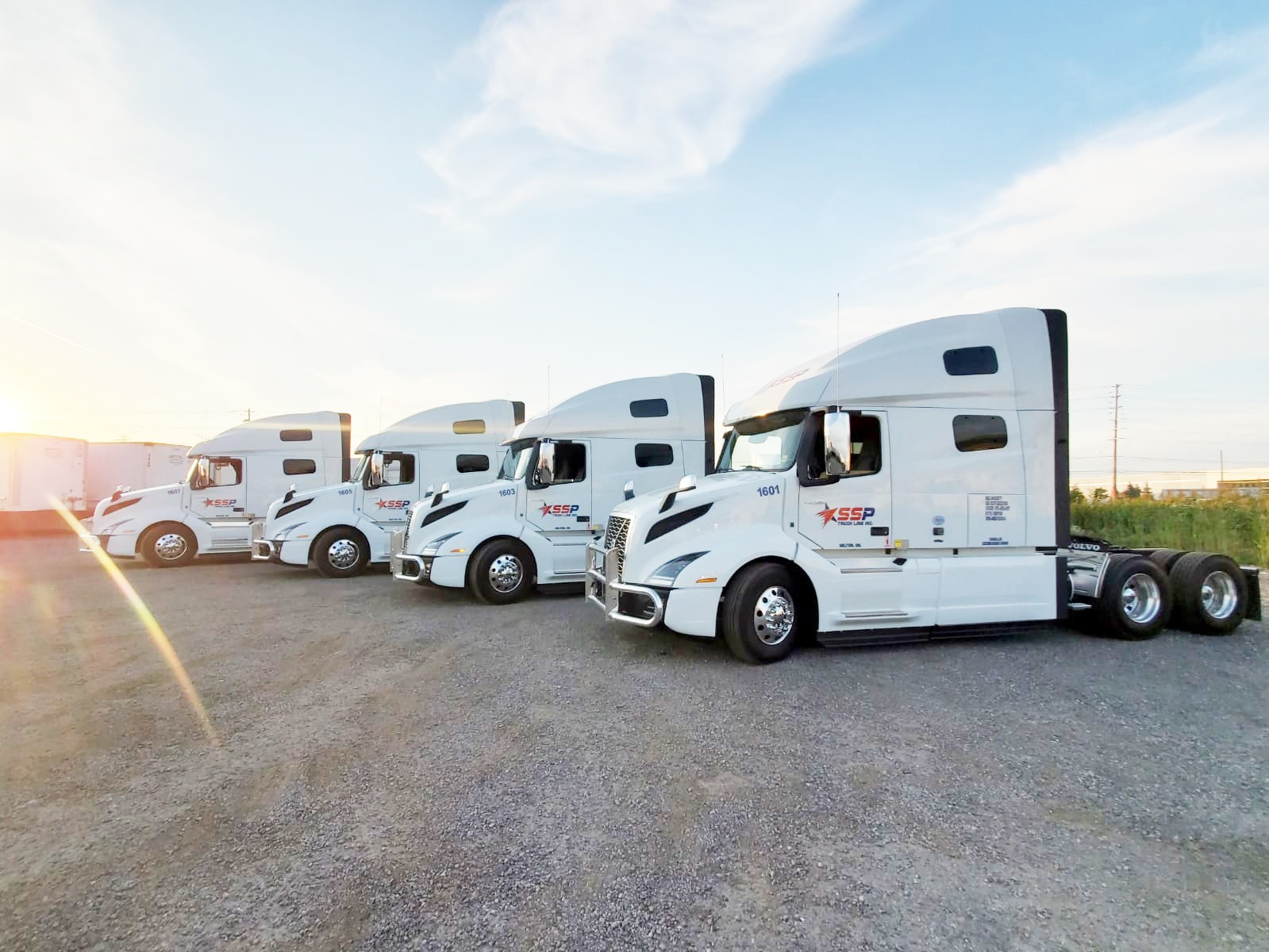
Learn what can be shipped in a dry van trailer, including retail goods, packaged food, industrial materials, automotive parts, and construction supplies.
Dry van trailers are among the most common and versatile shipping options in the transportation industry. A dry van trailer can ship retail goods, automotive parts, packaged food, industrial materials, construction supplies, and many other non-perishable products securely.
Because dry vans are enclosed, they protect cargo from rain, snow, dust, road debris, and general exposure during transit. They are also cost-effective for many standard freight needs.
Whether you are a business owner or simply want to understand what can be shipped using dry vans, this guide explains the most common dry van freight types and when this trailer option makes sense.
What Is a Dry Van Trailer?
A dry van trailer is an enclosed truck trailer designed to transport non-perishable goods. Unlike flatbed trailers, which expose cargo to weather conditions unless tarped, dry vans provide full protection from rain, snow, dust, and road debris.
Dry vans are not refrigerated, which makes them ideal for goods that do not require temperature control. For perishable or climate-sensitive goods, temperature-controlled freight is usually the better option.
Dry vans come in various sizes, with the most common being 53-foot trailers that can hold up to around 45,000 pounds of cargo. Smaller options, such as 48-foot and 28-foot pup trailers, may also be available for different shipping needs.
What Can You Ship in a Dry Van Trailer?
Since dry van trailers do not control temperature, they are best suited for durable and non-perishable goods. Let’s explore the various industries and product types that commonly use dry van shipping.
1. Retail and Consumer Goods
Retailers depend on dry van trailers to transport everyday products to stores and distribution centers. These trailers are commonly used for many retail items, including:
- Clothing and textiles such as shirts, jeans, dresses, and fabric rolls
- Footwear such as shoes, sandals, and boots
- Home goods including furniture, bedding, lamps, and decorations
- Electronics such as televisions, computers, phones, and accessories
- Toys and games including board games, dolls, and sports equipment
Dry vans help keep retail shelves stocked while protecting goods from weather and road exposure.
2. Packaged Food and Beverages
Although dry vans do not provide refrigeration, they are ideal for transporting dry and packaged food products that do not require temperature control.
Common food and beverage items shipped in dry vans include:
- Canned goods such as soups, vegetables, and meats
- Dry foods such as rice, pasta, cereals, flour, and sugar
- Bottled water and soft drinks
- Snacks such as chips, cookies, candy, and crackers
These products are usually boxed or palletized to support secure and organized transportation.
3. Industrial and Manufacturing Goods
Manufacturers rely on dry vans to transport raw materials, parts, and finished products efficiently.
Common industrial items shipped in dry van trailers include:
- Machinery parts used in manufacturing and construction
- Metal products such as pipes, sheets, rods, and components
- Plastic goods such as containers, bottles, and packaging materials
- Hardware supplies including nails, screws, bolts, and fasteners
- Palletized materials and boxed industrial products
Because dry vans are enclosed, they provide a practical option for industrial goods that need protection but do not require open-deck loading.
4. Automotive and Machinery Parts
The automotive industry relies on dry vans to transport essential vehicle components across supply chains.
Common automotive items shipped in dry vans include:
- Engines and transmissions
- Tires and wheels
- Heavy-duty brakes
- Axles and suspension components
- Seat covers, dashboards, steering wheels, and interior accessories
- Boxed or palletized replacement parts
These shipments are usually packed and secured to prevent movement or damage during transit.
5. Construction and Building Materials
Construction companies use dry van trailers to move building materials that benefit from enclosed protection.
Common construction materials shipped in dry vans include:
- Lumber and plywood
- Drywall and insulation
- Roofing materials such as shingles, tar, and sealants
- Plumbing supplies including pipes, fittings, and valves
- Electrical supplies including wiring, panels, and circuit breakers
- Boxed tools, fasteners, and job-site materials
For oversized, heavy, or irregular building materials that do not fit inside an enclosed trailer, flatbed transportation may be more suitable.
What Should Not Be Shipped in a Dry Van?
Dry vans are versatile, but they are not right for every shipment.
Avoid using a standard dry van for:
- Perishable goods that need refrigeration
- Frozen food or temperature-sensitive products
- Oversized freight that cannot fit through the trailer doors
- Extremely heavy freight above legal or trailer capacity limits
- Cargo that requires crane loading or side loading
- Hazardous materials that require specialized handling, unless the carrier is properly certified
For regulated dangerous goods, hazmat shipping may be required. For oversized or crane-loaded freight, flatbed, step deck, or RGN equipment may be better.
How to Choose the Right Dry Van Carrier
Dry van trailers are versatile, but choosing the right carrier is still important for safe, reliable delivery.
When selecting dry van shipping services, consider:
- Safety and compliance: Look for companies with strong safety practices and compliance records.
- On-time delivery performance: Reliable carriers help avoid delays and protect customer satisfaction.
- Shipment visibility: Real-time tracking gives you greater control and helps you monitor progress.
- Cargo handling experience: Choose a provider that understands your freight type and packaging needs.
- Transparent pricing: Compare rates and service details so you understand what is included.
- Coverage area: Make sure the carrier can support your lane, whether local, domestic, or cross-border.
For smaller shipments that do not require a full trailer, LTL shipping may offer a cost-effective option. For larger shipments that need dedicated trailer capacity, truckload shipping can provide more direct routing and reduced handling.
Benefits of Dry Van Shipping
Dry van trailers remain popular because they offer a strong balance of flexibility, security, and cost efficiency.
Key benefits include:
- Enclosed protection from weather and road debris
- Suitable for many non-perishable goods
- Widely available equipment
- Cost-effective for standard freight
- Easy dock loading and unloading
- Works for both LTL and full truckload shipments
- Strong fit for retail, manufacturing, automotive, and distribution networks
For many businesses, dry van shipping is the default choice for everyday freight.
Conclusion
Dry van trailers are a crucial part of the transportation industry, offering a secure and cost-effective solution for shipping non-perishable goods. Whether you are shipping retail products, automotive parts, industrial materials, packaged food, or construction supplies, dry vans provide a reliable way to move cargo safely.
By understanding what can and cannot be shipped in a dry van, businesses can make better transportation decisions, reduce costs, and improve delivery efficiency.
If you need a shipping solution that balances affordability, cargo protection, and reliability, dry van trailers are an excellent choice. SSP Group can help match your shipment with the right dry van service and support your freight needs across North America.
FAQs
What can you ship in a dry van trailer?
You can ship non-perishable goods such as retail products, packaged food, beverages, automotive parts, industrial materials, construction supplies, electronics, and household goods.
Can dry vans carry food?
Yes, dry vans can carry packaged, shelf-stable food such as canned goods, rice, pasta, snacks, bottled water, and soft drinks. They are not suitable for refrigerated or frozen food.
Are dry vans temperature controlled?
No. Standard dry vans are enclosed but not refrigerated. Temperature-sensitive goods should use temperature-controlled or refrigerated freight services.
What is the most common dry van trailer size?
The most common dry van trailer size is 53 feet, though 48-foot trailers and smaller pup trailers are also used depending on shipment needs.
Is dry van shipping good for LTL freight?
Yes. Dry vans are commonly used for both LTL and full truckload shipments, making them flexible for small, medium, and large freight volumes.