
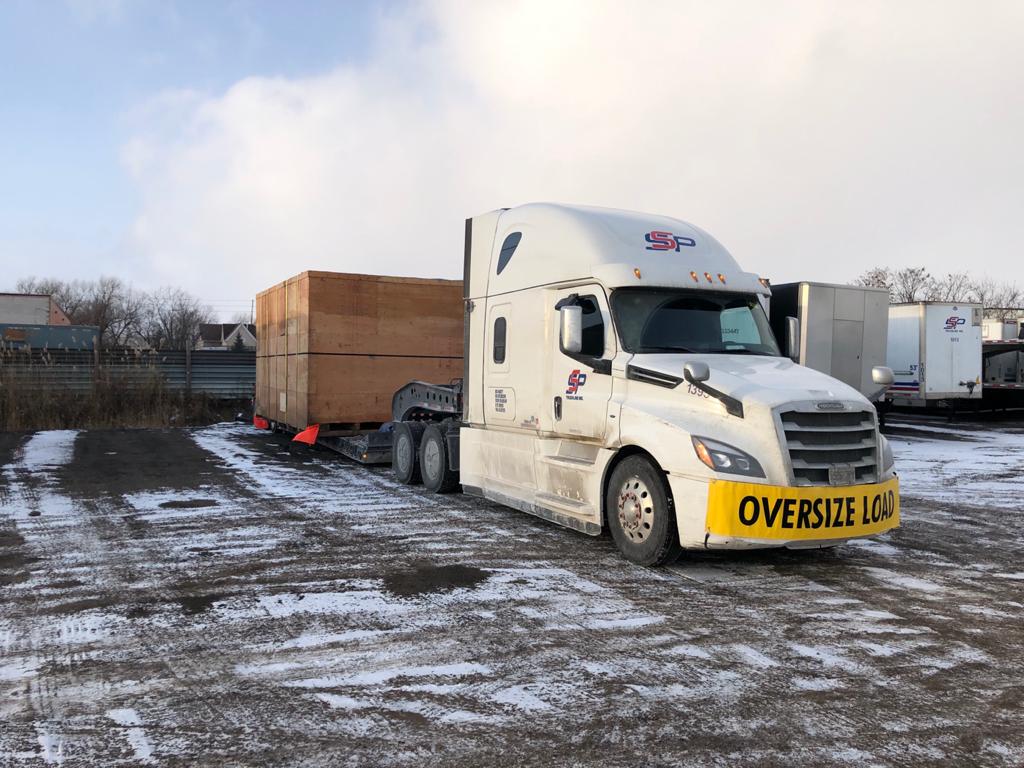
Learn why flatbed trucking is essential for oversized loads, including heavy equipment, construction materials, steel, machinery, and industrial freight that cannot fit in enclosed trailers.
Transporting oversized and heavy loads presents unique challenges that standard freight solutions cannot always handle.
Whether it’s construction materials, large machinery, steel structures, or industrial equipment, flatbed trucking services provide a reliable and efficient solution. These specialized trailers allow for easier loading and unloading, making them an essential part of the logistics industry.
In this article, we’ll explore why flatbed trucking is vital for oversized loads, the benefits it provides, and how it helps improve transportation efficiency for businesses.
Why Flatbed Trucking Is Essential for Oversized Loads
Flatbed trucking plays a crucial role in logistics by providing safe and efficient transportation for cargo that exceeds standard size, weight, or loading requirements.
Here are the key reasons flatbed trucking is indispensable for oversized loads.
1. Accommodates Large and Irregularly Shaped Loads
Unlike enclosed trailers, flatbed trucks provide an open platform that allows for the transportation of unusually shaped or oversized items. This makes them ideal for moving construction materials, steel structures, large equipment, pipe, lumber, and heavy machinery that would not fit in standard freight containers.
For freight that is especially tall, heavy, or complex, RGN and heavy haul transportation may also be required.
2. Simplifies Loading and Unloading
Flatbed trailers provide excellent accessibility, allowing cargo to be loaded and unloaded from the side, rear, or overhead without the restrictions of enclosed walls or roofs.
This open design is especially useful for oversized, heavy, or irregularly shaped loads that may not fit within enclosed trailers. Forklifts and cranes can place cargo directly onto the trailer, eliminating the need to maneuver freight through confined spaces.
This streamlined process helps reduce handling time and labor costs, making flatbed trailers a cost-effective solution for industries such as construction, manufacturing, energy, and logistics.
3. Supports Heavy-Duty Transport
Flatbed trucks are designed to handle exceptionally heavy loads. Whether transporting industrial generators, transformers, large concrete pipes, steel beams, or construction machinery, these trucks can accommodate freight that conventional enclosed trailers cannot manage.
Depending on the shipment, specialized equipment such as step decks, double drops, or heavy haul trailers may be needed to support legal height, weight, and loading requirements.
4. Enhances Safety During Transit
Safety is a top priority when moving oversized loads. Flatbed trucks are equipped with secure tie-down points and allow for specialized strapping, chaining, blocking, and bracing techniques to prevent cargo from shifting during transport.
Proper securement helps ensure that heavy and valuable equipment arrives safely at its destination while reducing the risk of damage, delays, or road safety issues.
5. Ideal for Construction and Industrial Sectors
Industries such as construction, manufacturing, agriculture, energy, and infrastructure rely heavily on flatbed trucking to move essential materials.
Common flatbed freight includes:
- Lumber and scaffolding
- Steel beams, coils, and pipe
- Industrial machinery
- Construction equipment
- Generators and transformers
- Oversized building materials
- Energy and oilfield equipment
These types of freight often require open-deck loading, flexible securement, and route planning that standard trailers cannot provide.
6. Supports Legal Compliance for Oversized Loads
Transporting oversized freight involves more than loading and delivering goods. It requires careful coordination, permit planning, legal compliance, and strategic route selection.
Due to the size and weight of oversized cargo, special permits are often necessary. Requirements can vary by province, state, region, and route.
Flatbed trucking companies help manage these complexities by:
- Reviewing dimensions and weights
- Identifying permit requirements
- Planning safe and legal routes
- Coordinating escort or pilot vehicles when needed
- Ensuring compliance with transportation regulations
Their expertise helps prevent costly delays, fines, and safety risks while supporting a smoother transportation process.
7. Versatility for Various Industries
Flatbed trucks are not limited to one sector. They are widely used across many industries, including:
- Construction
- Manufacturing
- Agriculture
- Automotive
- Oil and gas
- Energy
- Infrastructure
- Industrial supply
This adaptability makes flatbed trucking a preferred choice for transporting a diverse range of oversized, heavy, and irregular freight.
Benefits of Flatbed Trucking for Oversized Freight
Flatbed trucking gives businesses flexibility that enclosed trailers cannot match.
Key benefits include:
- Easier loading with cranes and forklifts
- Ability to handle oversized or irregular freight
- Stronger equipment options for heavy cargo
- Faster job-site loading and unloading
- Better access for securement and inspection
- Flexible trailer options such as step deck and heavy haul
- Improved support for permit-based shipments
For businesses moving large freight, these advantages can reduce delays and improve overall logistics performance.
Choosing the Right Flatbed Trucking Partner
Because oversized freight involves added risk and compliance requirements, choosing the right logistics partner matters.
A reliable flatbed trucking company should offer:
- Experience with oversized and heavy freight
- Proper trailer options for the shipment
- Strong securement practices
- Permit and route planning support
- Clear communication from pickup to delivery
- Real-time shipment visibility
- Knowledge of cross-border requirements when needed
SSP Group supports businesses with flatbed transportation, oversized freight planning, and specialized logistics services across North America.
Conclusion
Flatbed trucking is an essential part of the transportation industry, offering a safe and efficient solution for oversized and heavy loads. Its ability to accommodate large, irregularly shaped cargo, simplify loading and unloading, and support legal compliance makes it indispensable for many sectors.
Whether you need to transport construction materials, heavy equipment, industrial machinery, or oversized freight, choosing a reliable flatbed trucking service helps ensure timely delivery, safer handling, and smoother logistics operations.
Investing in professional flatbed trucking support can help businesses streamline transportation, reduce risk, and improve performance for large-scale freight needs.
Frequently Asked Questions
What types of loads are best suited for flatbed trucking?
Flatbed trucking is ideal for oversized, heavy, and irregularly shaped cargo such as construction materials, steel, lumber, industrial machinery, and large equipment.
Do flatbed trucks require special permits for oversized loads?
Yes. Transporting oversized loads often requires special permits and route planning to comply with provincial, state, or federal regulations.
How is cargo secured on a flatbed truck?
Cargo is secured using tie-down straps, chains, binders, blocking, bracing, tarps, and other safety equipment to prevent shifting during transportation.
Can flatbed trucks handle long-distance transportation?
Yes. Flatbed trucking services are commonly used for both short-haul and long-distance transportation, depending on freight requirements.
Why choose SSP Group for flatbed trucking?
SSP Group provides reliable flatbed trucking solutions for oversized, heavy, and specialized freight, with support for equipment selection, route planning, securement, and delivery coordination.