
Skip to content
cs@sspgroup.com8401 5 Side Rd, Milton, ON L9T 2Y7

Dedicated / Contract

Dedicated contract freight built around committed execution and SLA control.

We structure dedicated and contract freight around recurring demand, committed capacity, operating ownership, and service-level accountability before daily execution begins. Across Canada, the United States, and Mexico, this is the operating path for shippers that need more than governed procurement and want a more permanent service structure around critical lanes, facilities, and delivery commitments.

Mode Overview

Dedicated contract freight is built around continuity before dispatch.

This model is used when recurring freight justifies committed resources, daily operating ownership, and explicit service standards across lanes or facilities. The objective is not only to improve carrier governance. It is to create a repeatable operating structure that protects service continuity over time.

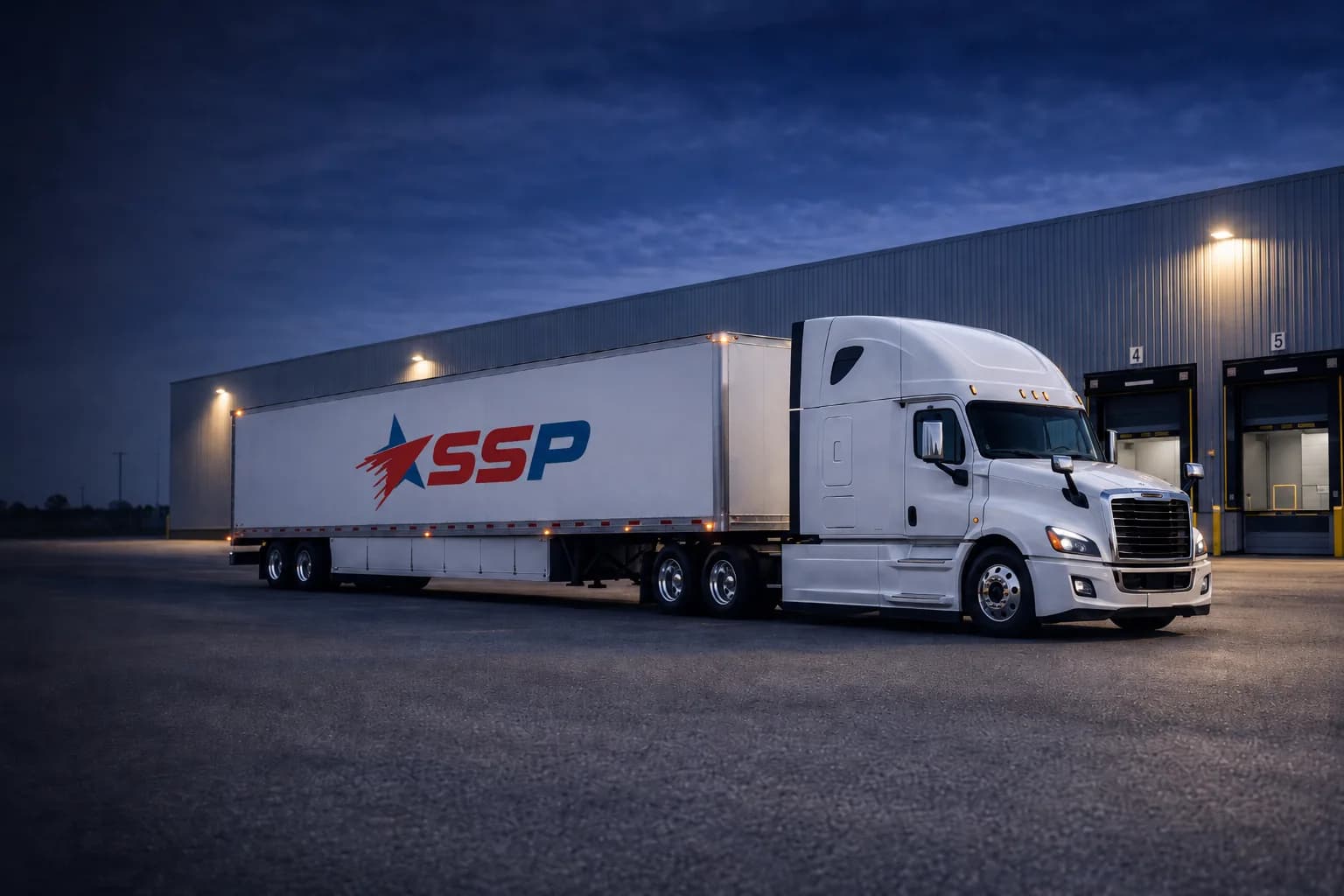
Dedicated contract freight overview showing committed-capacity operations

For Dedicated / Contract

Why SSP

For Dedicated / Contract

01

Capacity and workflow are designed together

We align lane demand, service windows, staffing assumptions, equipment needs, escalation rules, and communication cadence before launch so the program starts as an operating model rather than a promise of future consistency.

02

Daily execution stays tied to service-level accountability

Pickup performance, on-time delivery, exception response, and communication discipline are governed against explicit expectations, so recurring freight is managed to outcomes rather than left to informal habits.

03

Program reviews stay connected to operating reality

Performance cadence, stakeholder feedback, and improvement planning remain tied to the live network so the program can be corrected, refined, and scaled without losing continuity.

Freight Fit Guide

Dedicated-contract fit should be confirmed before capacity is committed.

Use this guide to confirm that the freight profile truly needs embedded execution continuity and a committed service model. If another service path should define the operating model, route it early.

Dedicated / Contract Freight Fit Guide

Dedicated and contract freight is for recurring programs where committed capacity, repeatable execution, and service-level accountability matter more than flexible sourcing alone. Use this guide to confirm fit and identify a better service path when another operating model should lead the move.

How It Works

Dedicated contract freight should be structured before launch.

Dedicated and contract programs perform best when demand rhythm, operating ownership, service windows, and KPI expectations are aligned before the first live day. This is the sequence We use to structure the program.

01

Define demand, lane scope, and service targets

We review recurring volume, lane profile, seasonality, facility needs, service windows, and escalation expectations so the program is sized around the real operating requirement.

02

Build the resource and governance model

Equipment assumptions, staffing model, communication rhythm, KPI framework, and ownership boundaries are aligned before launch so day-to-day execution runs through a stable structure.

03

Launch execution against the agreed service standard

Once active, we runs the program against defined pickup, delivery, exception, and reporting expectations rather than managing recurring freight as a string of unrelated loads.

04

Refine the program through recurring review

Service misses, cost drift, network changes, and stakeholder feedback are reviewed in cadence so the program evolves without losing operational consistency.

Dedicated / Contract FAQs

The questions that matter before building a dedicated-contract program.

These are the qualification questions that usually determine whether dedicated or contract freight is the right operating path and what we need to structure the program cleanly.

It qualifies when recurring freight volume, service criticality, or facility dependence justify committed resources, repeatable workflows, and explicit accountability beyond a flexible sourcing model.

Assess the continuity fit

Qualify the dedicated-contract model before capacity is committed.

Share the lane profile, recurring demand, service expectations, and facility requirements. We will confirm whether dedicated-contract is the right operating path, define the resource model early, and structure the program for stable execution over time.

Assess the continuity fit