
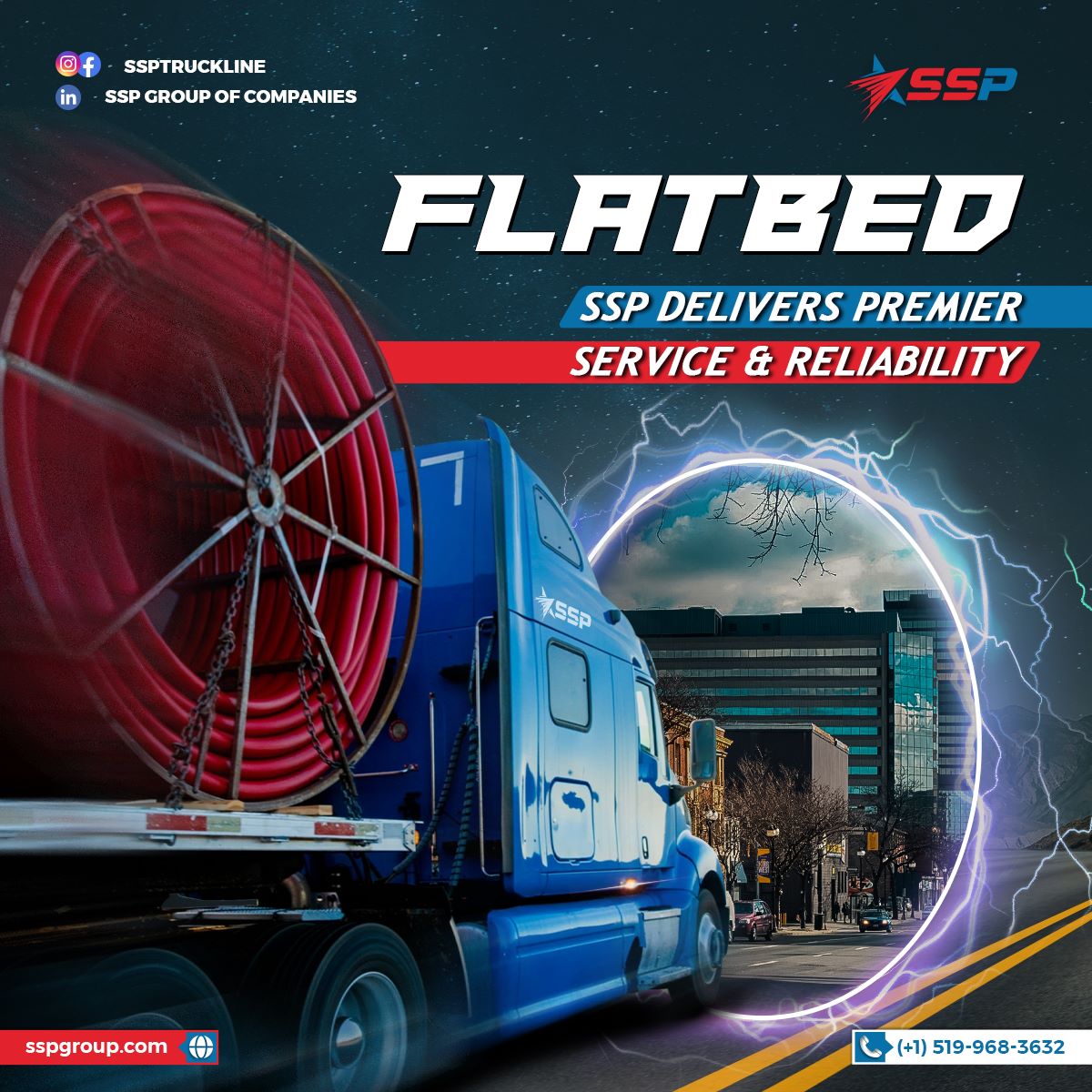
Learn the basics of flatbed trucking, including how it works, benefits, challenges, cargo types, safety needs, securement, specialized equipment, and why businesses use flatbeds.
Have you ever wondered how large pieces of machinery, farm equipment, construction materials, or massive pipes are transported? That is exactly where flatbed trucking comes in.
Flatbed trucking is a flexible transportation method designed for freight that does not fit easily inside enclosed trailers. It is useful, practical, and often essential for oversized, heavy, or irregularly shaped cargo.
At the same time, flatbed transportation requires skill, planning, and strong attention to safety. This guide explains how flatbed trucking works, its benefits, challenges, and why businesses use it for specialized freight movement.
How Does Flatbed Trucking Work?
Flatbed trucking uses an open-deck trailer with no sides or roof. This design allows freight to be loaded from the side, rear, or overhead using forklifts, cranes, loaders, or other equipment.
Because the trailer is open, it can handle freight that would not fit inside a standard dry van or shipping container.
Common flatbed cargo includes:
- Construction materials
- Lumber and steel
- Machinery
- Farm equipment
- Pipe and concrete products
- Oversized crates
- Industrial equipment
- Building supplies
- Energy and infrastructure components
Flatbed trucking is one of the most adaptable freight options because each shipment can be secured and planned around the cargo’s actual shape, weight, and loading needs.
Is Flatbed Trucking Difficult?
Flatbed trucking can be more complex than standard enclosed freight. It is not impossible, but it does require specialized knowledge and careful execution.
Drivers and logistics teams must understand:
- Cargo securement
- Weight distribution
- Trailer capacity
- Route planning
- Weather exposure
- Tarping when needed
- Loading and unloading safety
- Legal height, width, and weight limits
Flatbed freight can involve changing job-site conditions, irregular cargo shapes, and additional securement requirements. That is why businesses should work with a provider experienced in open-deck transportation.
For especially tall or heavy freight, step deck trailers or RGN and heavy haul transportation may be required.
The Benefits of Flatbed Trucking
Flatbed trucking offers several advantages for businesses moving large or difficult freight.
Versatility in Cargo Transportation
Flatbeds are extremely versatile. They can carry cargo that is too wide, tall, long, heavy, or oddly shaped for enclosed trailers.
This makes them ideal for industries such as construction, agriculture, manufacturing, infrastructure, energy, and industrial supply.
Easy Access for Loading and Unloading
Because flatbeds are open, loading teams can access cargo from multiple angles. Freight can be loaded by crane, forklift, loader, or other specialized equipment.
This flexibility is especially useful on job sites, construction zones, farms, industrial facilities, and locations without standard loading docks.
Efficient for Time-Sensitive Deliveries
Flatbeds can often be loaded and unloaded faster than enclosed trailers when the cargo is large or requires overhead access.
For urgent freight, flatbed transportation can also be paired with expedited shipping to support tighter timelines.
Cost-Effective for Certain Shipments
For freight that cannot fit in a dry van, flatbed trucking may be the most practical and cost-effective option. Using the right trailer from the start helps avoid delays, reloading, equipment changes, and damage.
Drawbacks of Flatbed Trucking
Flatbed trucking is highly useful, but it does come with challenges.
Weather Exposure
Because flatbed trailers are open, cargo may be exposed to rain, snow, wind, heat, dust, and road debris unless properly protected.
Some freight can handle exposure, while other cargo may require tarping or protected equipment such as Conestoga or Roll-Tite-style trailers.
Loading Irregular Shapes
Irregular cargo can be more difficult to load and secure. Unlike standard boxed freight, machinery, equipment, pipe, steel, and oversized materials may require custom securement planning.
Drivers and loading teams must understand load balance, center of gravity, tie-down points, and securement methods.
Cargo Vulnerability
Open-deck freight can be more vulnerable during transit if not properly protected. Wind, weather, road conditions, and shifting risk all need to be considered.
Proper planning, securement, inspection, and communication reduce these risks.
Safety and Securement in Flatbed Trucking
Cargo securement is one of the most important parts of flatbed trucking.
Common securement tools include:
- Chains
- Straps
- Binders
- Edge protectors
- Blocking and bracing
- Tarps
- Dunnage
- Flags, banners, and lights for oversized loads
The securement method must match the cargo type, weight, shape, and legal requirements. Poor securement can lead to damaged freight, safety risks, fines, or delays.
A professional flatbed carrier should inspect the load before departure and during required stops.
Using SSP Group for Flatbed Trucking
SSP Group supports businesses with reliable flatbed transportation across North America. Our team understands the benefits and challenges of flatbed freight and helps plan each shipment around cargo requirements, timelines, and delivery conditions.
Businesses choose SSP Group for flatbed trucking because of our focus on practical planning, safe handling, and dependable communication.
On-Time Delivery Support
Flatbed shipments often support construction schedules, manufacturing timelines, and project deadlines. SSP Group helps plan pickups, routing, and delivery expectations so businesses can keep operations moving.
Tracking and Communication
Shipment visibility and communication are essential in flatbed transportation. SSP Group provides updates and coordination so customers can stay informed from pickup to delivery.
Safety-Focused Operations
SSP Group prioritizes safe freight movement through proper equipment selection, securement planning, experienced coordination, and compliance awareness.
Cost-Effective Planning
The right equipment and route planning can help reduce unnecessary costs. SSP Group helps match shipments to the right trailer type and service level to improve efficiency.
Specialized Equipment Options
Different flatbed shipments require different equipment. SSP Group supports flatbed, step deck, RGN, heavy haul, dry van, LTL, truckload, expedited, and specialized freight options depending on cargo needs.
For freight moving between Canada, the United States, and Mexico, cross-border transportation support can also help with routing, documentation, and delivery planning.
Ongoing Expertise
Flatbed transportation requires experience and continuous attention to safety, equipment, securement, and regulatory requirements. SSP Group brings logistics knowledge and practical support to help businesses move complex freight with confidence.
When Should You Use Flatbed Trucking?
Flatbed trucking is a strong option when:
- Freight is too large for an enclosed trailer
- Cargo needs side, rear, or overhead loading
- The destination does not have a standard dock
- The shipment includes machinery, steel, lumber, pipe, or equipment
- Cargo is oversized, heavy, or irregularly shaped
- Tarping or open-deck securement is required
- Specialized trailer access is needed
If freight is standard boxed or palletized cargo, dry van shipping or LTL freight may be more suitable.
Conclusion
Flatbed trucking plays an important role in freight transportation by moving cargo that enclosed trailers cannot handle. From machinery and farm equipment to construction materials and industrial freight, flatbeds provide the flexibility needed for complex shipments.
While flatbed transportation comes with challenges such as weather exposure, securement needs, and irregular loading requirements, the right logistics partner can help manage these risks.
With SSP Group supporting equipment selection, planning, communication, and safe freight movement, flatbed trucking becomes a dependable solution for businesses moving large, heavy, or specialized cargo.
FAQs
What is flatbed trucking?
Flatbed trucking is open-deck transportation using trailers with no sides or roof, designed for large, heavy, oversized, or irregularly shaped freight.
What types of freight use flatbed trucking?
Flatbed trucking is commonly used for machinery, farm equipment, construction materials, steel, lumber, pipe, concrete products, and industrial equipment.
Is flatbed trucking difficult?
Flatbed trucking can be more complex than standard freight because it requires load securement, weight distribution, tarping, route planning, and safety awareness.
What are the main benefits of flatbed trucking?
The main benefits are flexible loading, ability to carry oversized cargo, easy access for cranes and forklifts, and practicality for heavy or irregular freight.
Does SSP Group offer flatbed trucking?
Yes. SSP Group supports flatbed trucking, oversized freight, step deck, RGN, heavy haul, and specialized transportation across North America.