
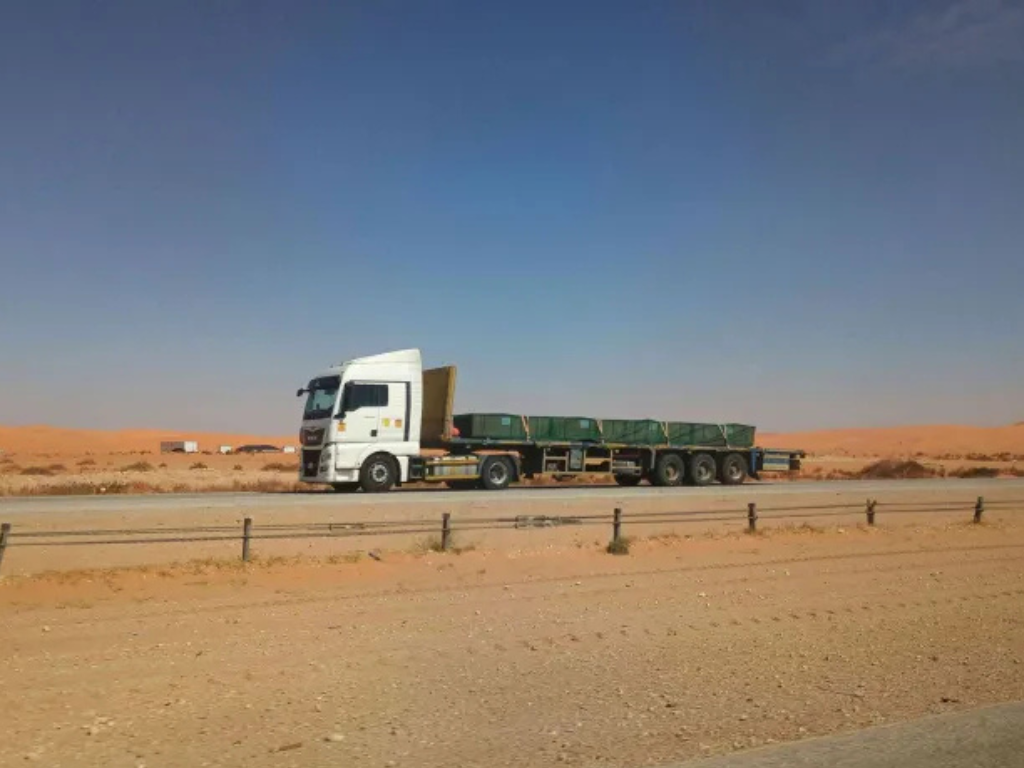
Learn standard flatbed trucking dimensions, trailer sizes, load limits, oversize permit requirements, height and width restrictions, and planning tips for safe flatbed freight.
Flatbed trucking plays a major role in the transport of heavy and oversized cargo. Whether you’re shipping machinery, steel, lumber, or construction materials, knowing flatbed trucking dimensions and load restrictions is crucial for safety, compliance, and efficient planning.
Choosing the right trailer size helps avoid delays, fines, rework, and cargo damage. This guide explains standard flatbed dimensions, common trailer types, load limits, permit requirements, and planning tips for safer flatbed shipments.
What Is a Flatbed Truck?
A flatbed truck is a vehicle with no sides or roof, making it easier to load freight from any direction. It is a popular choice for cargo that does not fit into enclosed trailers.
Flatbeds are ideal for items that are bulky, wide, tall, heavy, or oddly shaped. They are also often used when quick loading and unloading are necessary because forklifts, cranes, and other equipment can access the trailer more easily.
Standard Flatbed Trucking Dimensions
Understanding flatbed trucking dimensions helps ensure your cargo fits properly and legally. While exact dimensions can vary by trailer model and equipment setup, standard flatbed trailers are commonly built around the following ranges:
- Length: 48 to 53 feet
- Width: 8 feet 6 inches, or 102 inches
- Deck height from ground: around 5 feet
- Common maximum freight weight: up to 48,000 pounds, depending on equipment and axle configuration
Always double-check trailer specifications before planning a load, especially for cargo that is close to legal limits.
Maximum Load Width
The maximum legal width for many standard flatbed loads is 8 feet 6 inches. Anything wider may require special permits, safety flags, banners, routing approval, or escort vehicles depending on the route and jurisdiction.
Common Flatbed Trailer Sizes
There are several types of flatbed trailers, each built for different kinds of freight. Knowing the different flatbed trailer sizes helps you pick the right one for your shipment.
Standard Flatbed
A standard flatbed is the most frequently used trailer for general open-deck freight.
Typical dimensions and limits:
- Length: 48 or 53 feet
- Width: 102 inches
- Maximum load height: around 8 feet 6 inches, depending on overall legal height limits
- Maximum weight: commonly up to 48,000 pounds
Standard flatbeds are commonly used for steel, lumber, building materials, pipe, pallets, and general machinery.
Step Deck / Drop Deck
A step deck trailer, also called a drop deck, is used for taller cargo that cannot fit safely or legally on a standard flatbed.
Typical dimensions and limits:
- Length: usually 48 feet
- Lower deck height: around 3 feet 6 inches
- Upper deck height: around 5 feet
- Maximum load height: up to around 10 feet, depending on route and legal limits
Step decks are useful for equipment, machinery, tall crates, and freight that needs extra vertical clearance.
Double Drop Deck
A double drop deck trailer is designed for very tall items that need a lower center well.
Typical use cases and limits:
- Lower middle deck, or well, allows taller freight
- Load height can reach up to around 11 feet 6 inches depending on equipment and legal route limits
- Often used for heavy machinery, construction equipment, and tall industrial cargo
For extremely tall, heavy, or complex shipments, RGN and heavy haul transportation may be required.
Flatbed Load Limits
Weight limits are just as important as dimensions. Exceeding flatbed load limits can be dangerous, damage equipment, increase liability, and lead to fines or shipment delays.
Standard Load Limit
Most standard flatbed trailers can carry up to 48,000 pounds, but actual capacity depends on:
- Truck and trailer configuration
- Axle spacing
- Trailer type
- Cargo weight distribution
- Provincial, state, and route-specific rules
Always confirm the exact payload limit before booking.
Oversized or Overweight Loads
Loads above standard dimensions or weight limits require additional planning and permits. Depending on where the freight is moving, you may need:
- Oversize or overweight permits
- Safety flags and banners
- Escort or pilot vehicles
- Approved routes
- Travel time restrictions
- Additional securement inspections
Because SSP Group handles freight across Canada, the United States, and Mexico, oversize requirements should be reviewed based on the actual route and destination, not just the pickup location.
Why Flatbed Dimensions Matter
Shipping freight that does not fit standard trailer space can cause major issues if it is not planned properly. The dimensions of a flatbed truck must match your cargo size to avoid damage, delays, denied pickup, or compliance problems.
Oversized items cannot simply hang off the side or be stacked too high without review. Even a few extra inches can require additional paperwork, different equipment, route changes, or escort vehicles.
This is why accurate measurements are one of the most important steps in flatbed shipping.
Tips for Planning a Flatbed Shipment
Being prepared saves time, money, and hassle. Before booking flatbed transportation, follow these planning steps:
- Measure everything: Confirm your cargo’s length, width, height, and weight.
- Pick the right trailer: Match your freight to the proper flatbed trailer size.
- Check route regulations: Rules vary by province, state, and country.
- Use proper securement tools: Straps, chains, binders, edge protectors, and tarps help keep freight safe.
- Confirm loading access: Make sure cranes, forklifts, or loaders are available if needed.
- Plan permits early: Oversize permits can affect pickup dates, transit time, and routing.
Planning helps avoid legal trouble and ensures your cargo arrives safely.
Permits for Oversize Loads
If your cargo goes beyond legal flatbed load limits, oversize permits are required. These permits are usually issued by each province, state, or jurisdiction the truck passes through.
Oversize permits may include:
- Travel time restrictions, such as no night travel
- Weekend or holiday restrictions
- Escort vehicle requirements
- Specific approved routing
- Speed limitations
- Safety signage and lighting requirements
Permits may add to shipping costs, but they are non-negotiable for oversized loads. Moving oversized freight without the proper permits can result in fines, delays, and safety risks.
Height and Width Restrictions by Law
Flatbed shipments must follow legal height and width limits. Common general limits include:
- Maximum width: 8 feet 6 inches
- Maximum overall height: 13 feet 6 inches
Anything over these limits may be considered oversized and may require extra planning. Some routes, especially in cities, bridges, tunnels, and industrial areas, may have lower clearances. This is why it is important to know exact flatbed trucking dimensions before finalizing a shipment.
Loading and Unloading Best Practices
Flatbeds make it easy to load from the sides, rear, or overhead using cranes. But safety is critical during loading and unloading.
Best practices include:
- Distribute weight evenly to prevent tipping, axle overload, or trailer damage.
- Secure cargo properly with straps, chains, and binders to prevent movement in transit.
- Use flags, lights, and banners when loads extend beyond legal limits.
- Inspect securement before departure and during required stops.
- Avoid rushing loading operations because mistakes can cause damage or safety incidents.
Safe loading means fewer problems later.
Flatbed Trucking for Heavy Equipment
Flatbed trailers are commonly used for tractors, bulldozers, industrial machinery, and construction equipment that are too large or heavy for enclosed trailers.
Step decks, double drops, and RGN trailers are often used for these loads because they offer additional height clearance and support heavier freight configurations.
Planning around flatbed trucking dimensions helps avoid loading surprises on the day of the move.
When to Use a Flatbed Truck
Flatbeds are best when:
- Your cargo cannot be boxed or enclosed
- You need side, rear, or overhead loading
- Your load is wide, long, tall, or oddly shaped
- Your freight includes steel, lumber, pipe, machinery, or building materials
- The delivery site does not have a standard dock
From steel beams to lumber and machines, flatbeds make transport easier. Just make sure your freight meets legal flatbed load limits or has the proper permits in place.
Final Thoughts
Understanding flatbed trucking is not just about knowing the truck. It is about matching your cargo to the right trailer size, respecting legal dimensions, and planning around load restrictions.
Whether you are shipping across town or across North America, getting familiar with flatbed trucking dimensions ensures a smoother journey from pickup to delivery.
Need to ship something large? SSP Group can help you choose the right flatbed trailer size, review load limits, plan permits, and move your freight safely and efficiently.
FAQs
What are standard flatbed trucking dimensions?
Standard flatbed trailers are commonly 48 to 53 feet long and 8 feet 6 inches wide, with a deck height around 5 feet from the ground.
How much weight can a flatbed trailer carry?
Many standard flatbed trailers can carry up to 48,000 pounds, but actual capacity depends on trailer type, axle configuration, and legal weight limits.
What is the maximum legal width for a flatbed load?
A common maximum legal width is 8 feet 6 inches. Loads wider than that may require oversize permits, banners, flags, routing approval, or escort vehicles.
When do I need oversize permits for flatbed freight?
You may need oversize permits when cargo exceeds legal width, height, length, or weight limits in the provinces, states, or countries the truck travels through.
What trailer should I use for taller cargo?
For taller cargo, a step deck, double drop, or RGN trailer may be more suitable than a standard flatbed because the lower deck height provides more vertical clearance.